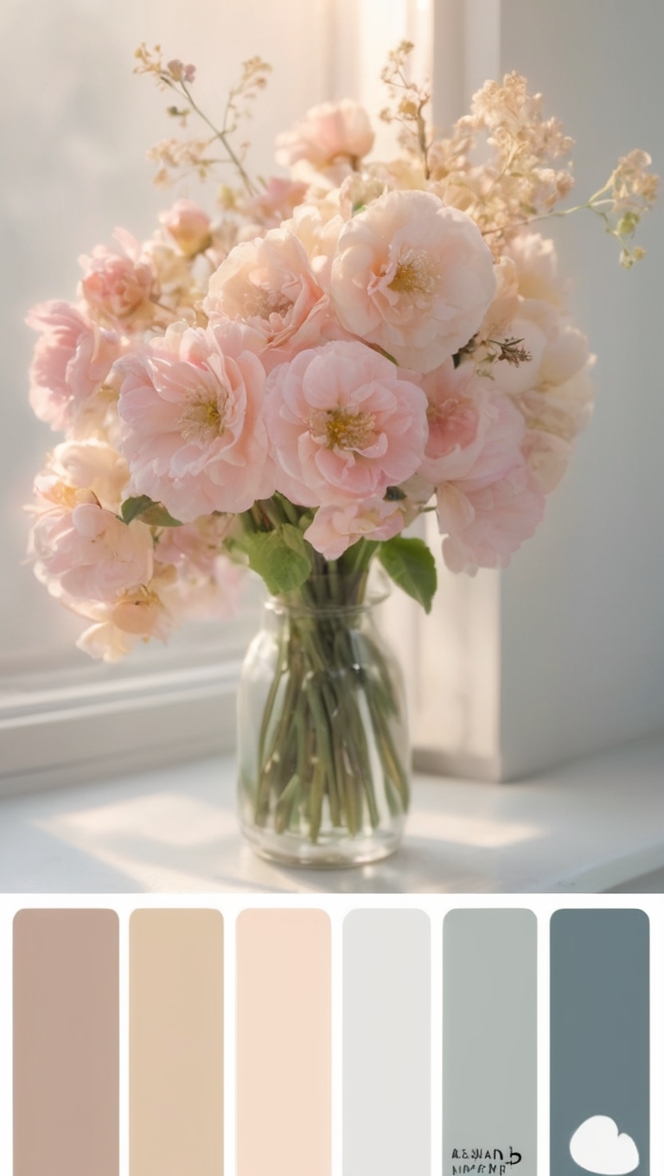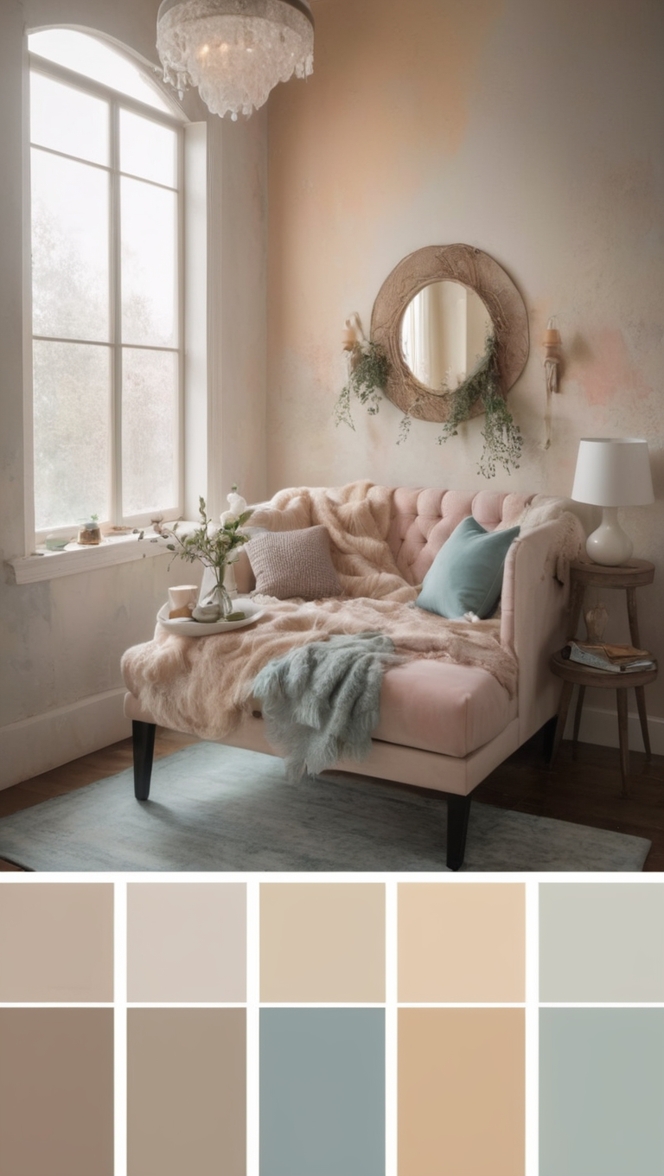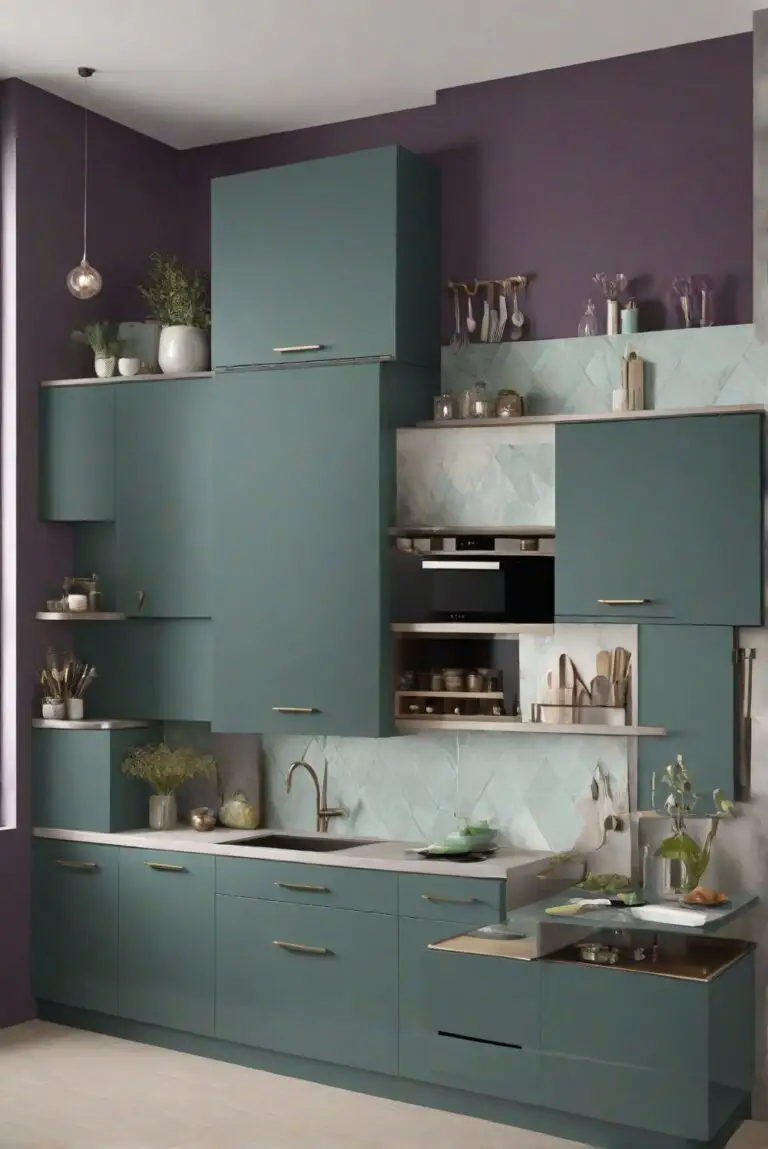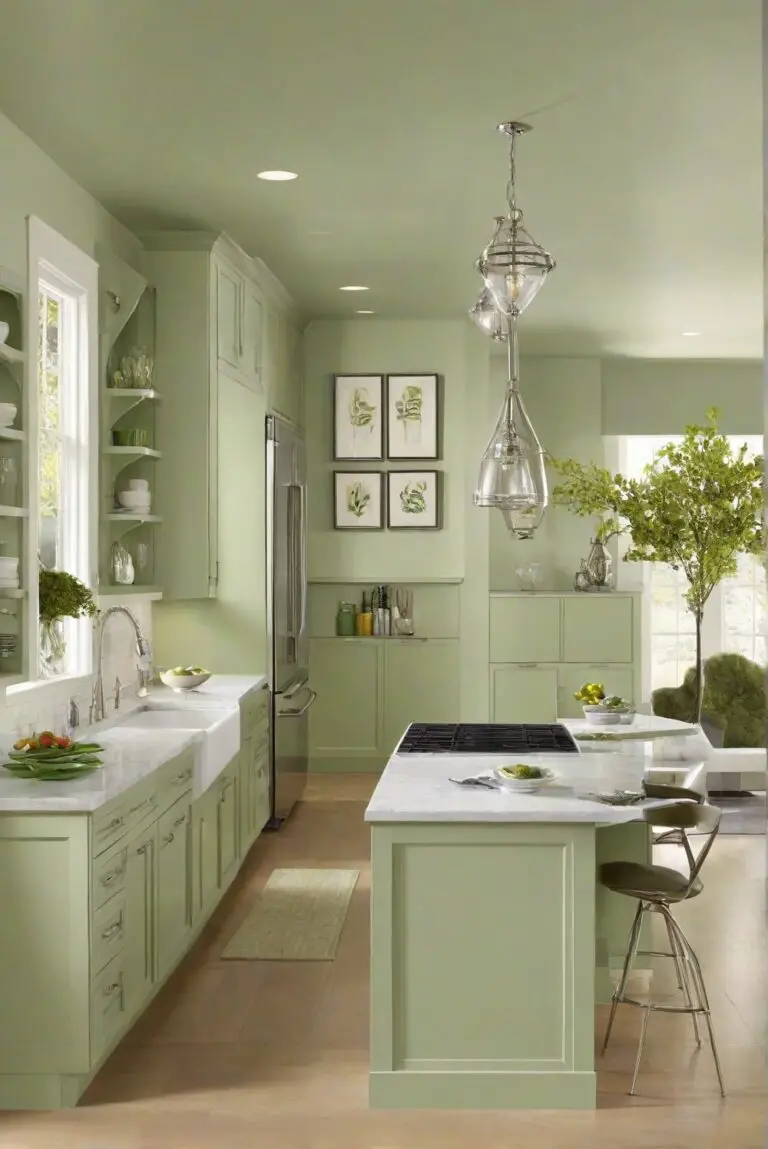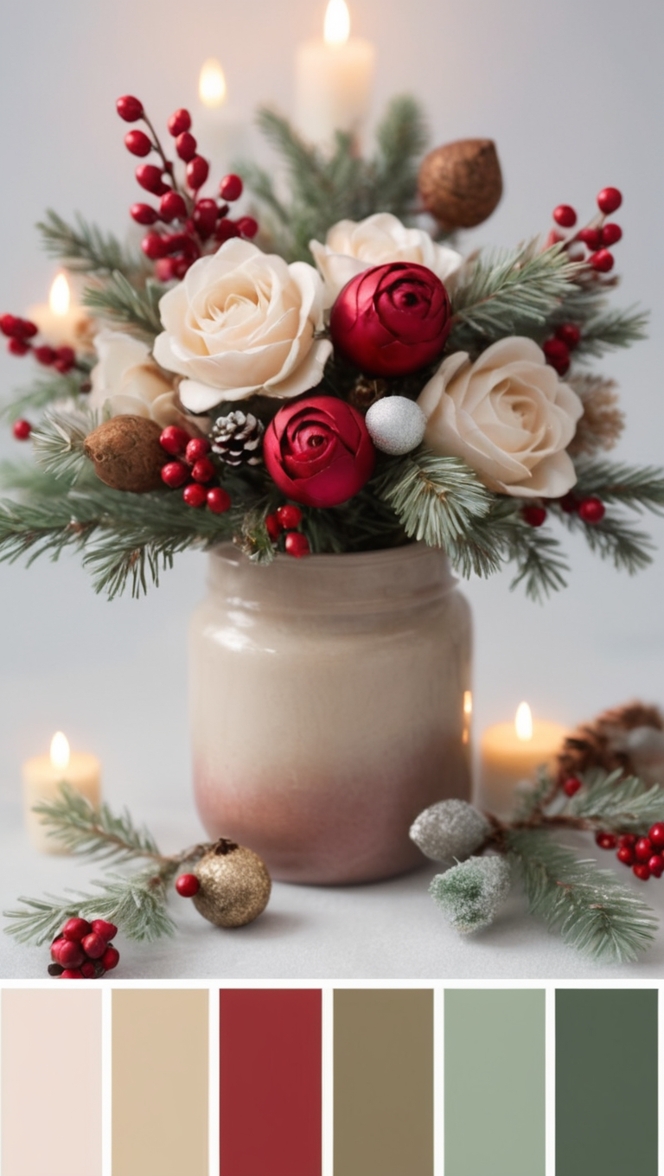
Looking to create a stunning design? Explore the magic of muted color schemes, soft and subtle shades. Let’s dive in.
Disclosure: This post contains affiliate links. We may earn a commission at no extra cost to you.
muted color palette
How can I create a stunning design using a muted color palette?
1. What are muted colors and why are they popular in design?
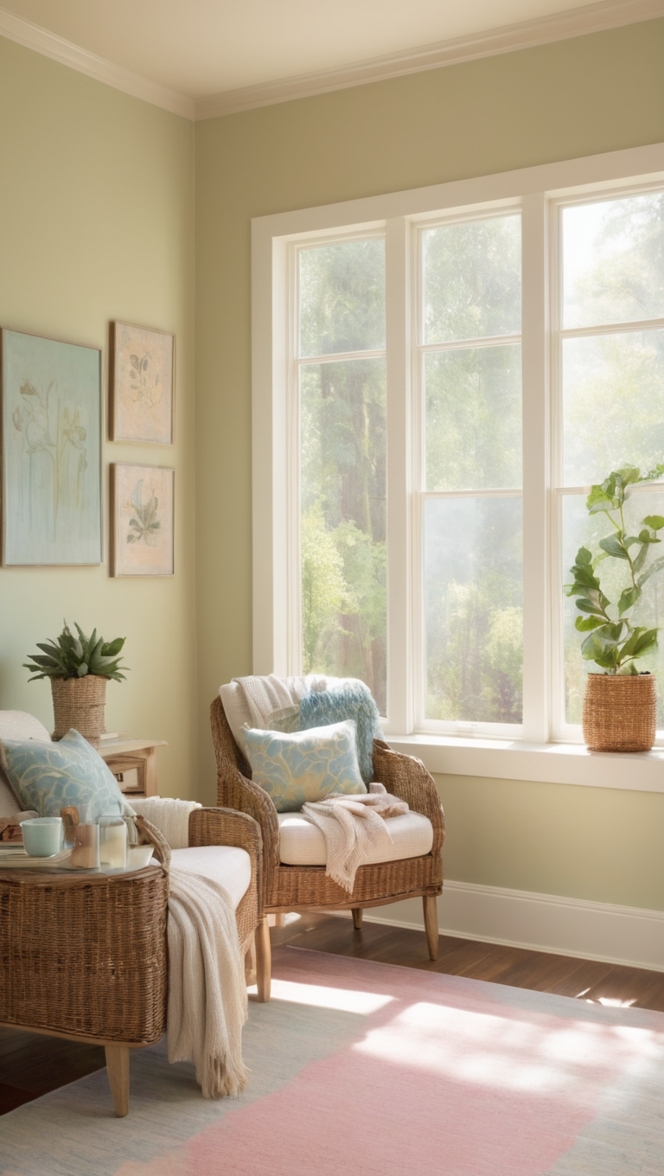
As a homeowner looking to create a visually appealing design for your living space, understanding muted colors is crucial. Muted colors are essentially softened versions of their original hues, achieved by adding gray or black to the base color. These colors are popular in design because they create a sense of calmness, sophistication, and timelessness. They are versatile and can be used in various design styles, making them a favorite choice among designers and homeowners alike.
2. How can I choose the right muted color palette for my design project?
When selecting a muted color palette for your home design project, consider factors such as the room’s purpose, natural light sources, and existing furniture and decor. Look for colors that complement each other and create a cohesive look. You can also experiment with different shades and tones to find the perfect balance for your space. Don’t be afraid to test samples on your walls to see how they interact with the lighting in the room.
3. What are some tips for balancing muted colors to create a visually appealing design?
To create a visually appealing design with muted colors, aim for a mix of light and dark shades to add depth and contrast to the space. Incorporate textures like wood, metal, or fabric to enhance the overall look. Consider using a variety of muted colors in different proportions to create a harmonious balance. Remember that less is often more when working with muted colors, so avoid overcrowding the space with too many hues.
4. How can I use contrast and texture to enhance a muted color palette in my design?
Contrast and texture play a significant role in elevating a muted color palette. Introduce elements like bold patterns, metallic finishes, or textured fabrics to create visual interest. Pairing light and dark muted colors can also create a striking contrast that adds depth to the design. Experiment with different textures and finishes to create a dynamic and engaging space that showcases the beauty of muted colors.
5. Are there any specific design trends or styles that work well with muted color palettes?
Muted color palettes work well with a variety of design styles, including Scandinavian, minimalist, and modern farmhouse. These styles often embrace simplicity and clean lines, allowing muted colors to shine and create a serene atmosphere. Consider incorporating natural elements like wood, stone, or plants to enhance the muted color scheme and bring a sense of warmth to the space.
6. How can I incorporate accent colors or pops of brightness into a muted color scheme without overwhelming the design?
Adding accent colors or pops of brightness to a muted color scheme can bring life and energy to the space. Choose one or two accent colors that complement the muted palette and use them sparingly in strategic areas like pillows, artwork, or accessories. This will create visual interest without overpowering the overall design. Consider using vibrant hues in small doses to create a focal point and highlight key elements in the room.
7. What are some common mistakes to avoid when working with muted colors in design?
When working with muted colors, avoid using too many similar shades that blend together and create a monotonous look. Be mindful of the undertones in each color to ensure they harmonize well with each other. Avoid overwhelming the space with too many patterns or textures that compete with the muted color palette. Instead, focus on creating a balanced and cohesive design that highlights the beauty of muted colors in your home.
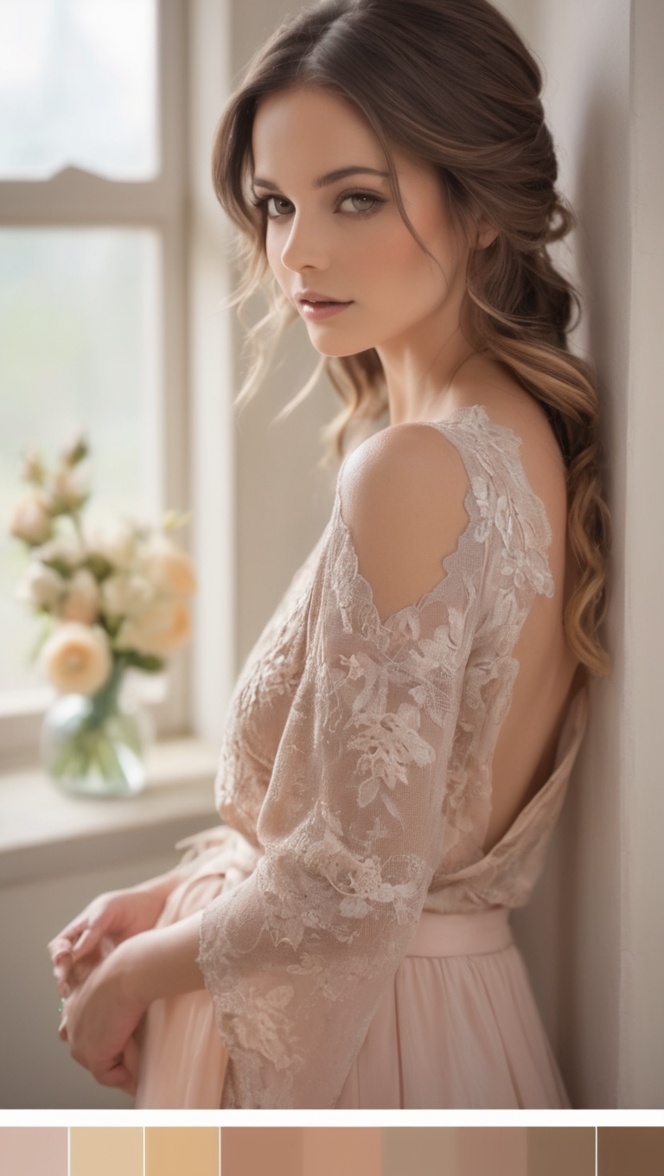
12 Unique Ideas for a Muted Color Palette
When it comes to choosing a color palette for your home or any space, muted tones can create a calming and sophisticated atmosphere. If you’re looking to incorporate muted colors into your space, here are 12 unique ideas to inspire you:
1. Dusty Rose
Paint your walls in a soft dusty rose color like Sherwin Williams “Charming Pink” for a romantic and elegant look.
2. Sage Green
Add a touch of nature to your space with a muted sage green like Benjamin Moore “Silken Pine” for a serene and earthy vibe.
3. Warm Taupe
Choose a warm taupe shade such as Behr “Sculptor Clay” to create a cozy and inviting atmosphere in any room.
4. Soft Lavender
Bring a sense of tranquility to your space with a soft lavender hue like Farrow & Ball “Calluna” for a dreamy and relaxing feel.
5. Pale Blue
Opt for a pale blue tone like Valspar “Filtered Shade” to evoke a sense of calm and serenity in your space.
6. Muted Coral
Add a pop of color with a muted coral shade such as Benjamin Moore “Tapestry Beige” for a subtle yet cheerful touch.
7. Soft Grey
Choose a soft grey color like Sherwin Williams “Repose Gray” for a timeless and elegant look that pairs well with any decor style.
8. Blush Pink
Embrace a soft and romantic vibe with a blush pink hue like Behr “Wistful Beige” for a sophisticated and chic feel.
9. Earthy Brown
Bring warmth and richness to your space with an earthy brown shade like Farrow & Ball “London Clay” for a cozy and inviting atmosphere.
10. Soft Yellow
Add a touch of sunshine with a soft yellow tone like Valspar “Butter Cookie” for a cheerful and uplifting ambiance.
11. Dusty Teal
Incorporate a muted teal shade like Sherwin Williams “Seaworthy” for a calming and peaceful feel inspired by the sea.
12. Neutral Beige
Create a versatile and timeless look with a neutral beige color like Benjamin Moore “Pale Oak” that pairs well with any color scheme.
By incorporating these unique muted color ideas into your space, you can create a soothing and sophisticated ambiance that reflects your personal style and taste.