Curious about the best ways to infuse modern designs with a retro color palette? Explore timeless color combinations here.

Disclosure: This post contains affiliate links. We may earn a commission at no extra cost to you.
What are the best ways to incorporate the retro color palette in modern designs?
What are the best ways to incorporate the retro color palette in modern designs?
retro color palette
Incorporating a retro color palette into modern designs can create a unique and nostalgic aesthetic. To achieve this, consider using bold, vibrant colors popular in past decades such as mustard yellow, avocado green, and burnt orange. Balance these colors with neutrals to prevent overwhelming the space. Mixing vintage furniture with modern pieces can also enhance the retro vibe. Be cautious of overdoing it to avoid a cluttered look. Experiment with different combinations to find the perfect retro-modern balance.
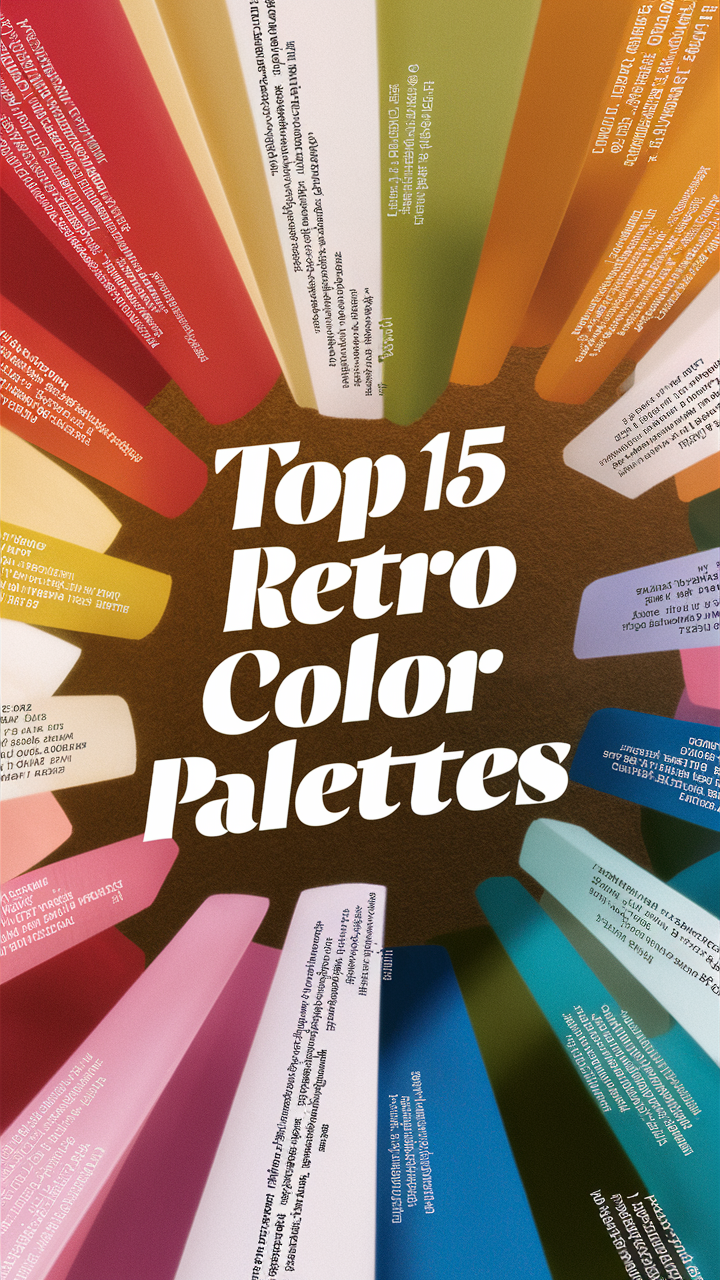
What are the best ways to incorporate the retro color palette in modern designs?
1. How can retro colors be defined in the context of design?
As a homeowner who appreciates design, I have often explored the realm of retro color palettes to add a touch of nostalgia and character to my living spaces. When we talk about retro colors in design, we are referring to hues that were popular in past decades, particularly the 1950s, 1960s, and 1970s. These colors evoke a sense of vintage charm and can include shades like avocado green, mustard yellow, burnt orange, and teal blue.
2. What are the key characteristics of retro color palettes that differentiate them from modern color schemes?
Retro color palettes often feature bold and vibrant hues that stand out compared to the more subdued and minimalist tones found in modern design. The key characteristics of retro colors include a sense of nostalgia, a playful and whimsical vibe, and a mix of warm and cool tones that create a unique visual appeal.
3. How can retro colors be effectively integrated into modern design projects?
When incorporating retro colors into modern design, it is essential to strike a balance between the vintage aesthetic and contemporary sensibilities. One effective way to do this is by using retro colors as accents or focal points in a design scheme rather than overwhelming the space with them. Mixing retro hues with neutral tones or modern materials can also help create a harmonious blend of old and new.
4. What are some popular examples of retro color palettes being used in modern design successfully?
In my own home, I have seen retro color palettes come to life in various ways, from mid-century modern furniture pieces in shades of mustard and rust to vibrant accent walls in retro-inspired patterns. Designers often draw inspiration from iconic retro color combinations like pink and aqua or orange and brown to create visually striking and nostalgic interiors that resonate with both past and present.
5. How can designers ensure that retro color palettes remain visually appealing and relevant in today’s design landscape?
To keep retro colors fresh and relevant, designers can experiment with different color pairings, textures, and finishes to update the vintage look for a modern audience. By balancing retro colors with contemporary design elements and trends, they can create spaces that feel both timeless and current, ensuring that the retro palette stays in style.
6. Are there any limitations or challenges when working with retro color palettes in modern design projects?
One challenge when using retro colors is the risk of the design appearing dated or overly nostalgic. To overcome this, designers should carefully select which retro hues to incorporate and where to use them to maintain a sense of balance and sophistication. It’s also essential to consider the overall aesthetic of the space and how retro colors can complement rather than overpower the design.
7. How can designers balance the use of retro color palettes with other design elements to create cohesive and visually appealing compositions?
Designers can achieve a harmonious balance by mixing retro colors with modern furniture pieces, textures, and patterns that help ground the vintage palette in a contemporary context. By layering different design elements and playing with scale and proportion, they can create dynamic and visually appealing compositions that seamlessly blend retro charm with modern sophistication.

12 Unique Ways to Incorporate Retro Color Palette in Modern Designs
When it comes to incorporating a retro color palette in modern designs, the key is to strike a balance between nostalgia and contemporary aesthetics. Here are 12 unique ideas to help you infuse a touch of retro charm into your space using real paint colors from popular brands like Sherwin Williams (SW) and Benjamin Moore (BM):
1. **Mustard Yellow Magic**: Paint an accent wall in a rich mustard yellow shade like SW Goldenrod or BM Mustard Jar to add a pop of vintage flair to a modern room.
2. **Avocado Green Revival**: Bring back the ’70s vibe with an avocado green sofa or armchair upholstered in a shade like SW Herb Garden or BM Guacamole.
3. **Burnt Orange Accent**: Create a cozy nook with a burnt orange accent chair painted in a color like SW Copper Harbor or BM Cinnamon Spice.
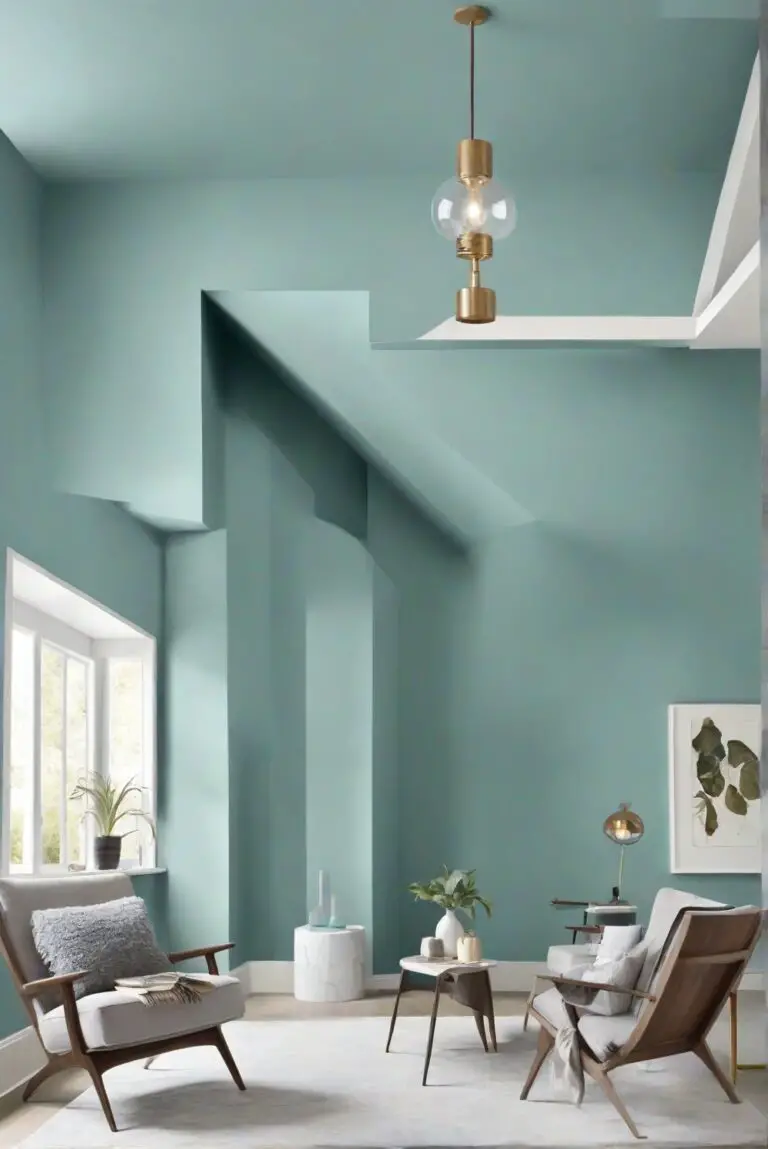
4. **Teal Time Travel**: Incorporate a splash of teal with a statement piece like a side table or cabinet painted in SW Rainstorm or BM Teal Ocean.
5. **Retro Pink Paradise**: Add a touch of retro glamour with a blush pink velvet sofa in a shade like SW Brandywine or BM Pink Moire.
6. **Muted Mauve Magic**: Create a calming ambiance with walls painted in a muted mauve shade like SW Mauve Finery or BM Mauve Desert.
7. **Sunny Yellow Sunshine**: Infuse a room with warmth and positivity by painting the ceiling in a sunny yellow hue like SW Lemon Twist or BM Yellow Lotus.
8. **Vintage Blue Bliss**: Opt for a serene blue tone like SW Celestial or BM Blue Hydrangea for a modern twist on a classic color.
9. **Retro Red Radiance**: Make a bold statement with a red accent wall painted in a shade like SW Red Bay or BM Ruby Red.
10. **Pastel Perfect**: Embrace pastel hues like SW Rose Quartz or BM Lavender Mist to create a soft and soothing color palette with a hint of retro charm.
11. **Earthly Elegance**: Incorporate earthy tones like SW Terracotta or BM Adobe into your design scheme for a warm and inviting retro feel.
12. **Mid-Century Modern**: Channel the iconic mid-century modern style with a combination of colors like SW Eider White, BM Simply White, and pops of retro hues for a timeless look.
By incorporating these real paint colors and design ideas, you can seamlessly blend retro charm with modern aesthetics to create a truly unique and stylish space that pays homage to the past while embracing the present. Experiment with different color combinations and furniture pieces to find the perfect balance that suits your personal style and vision.