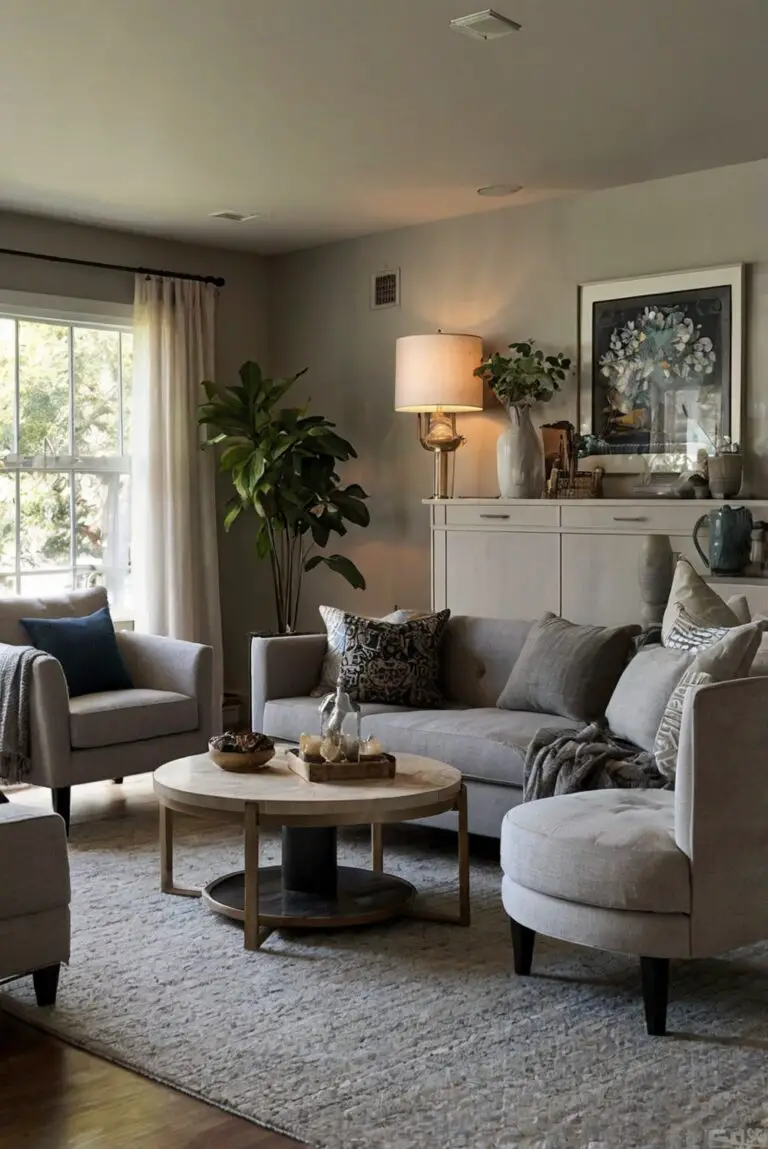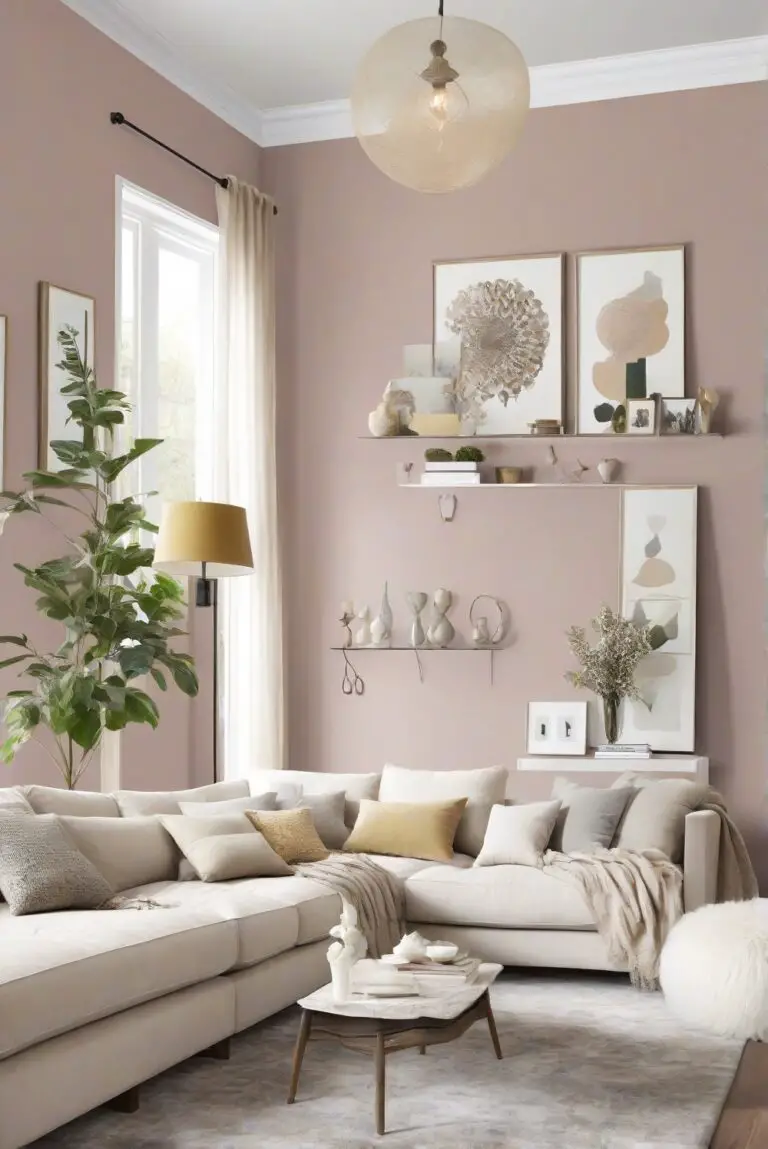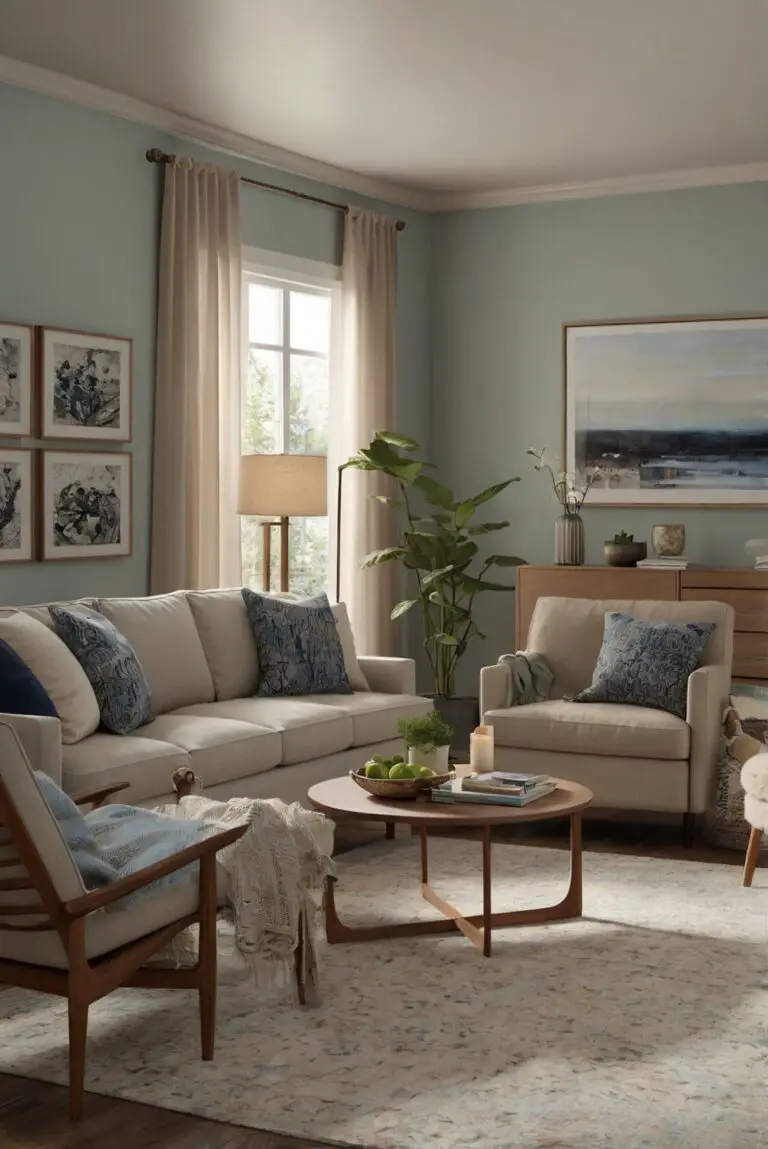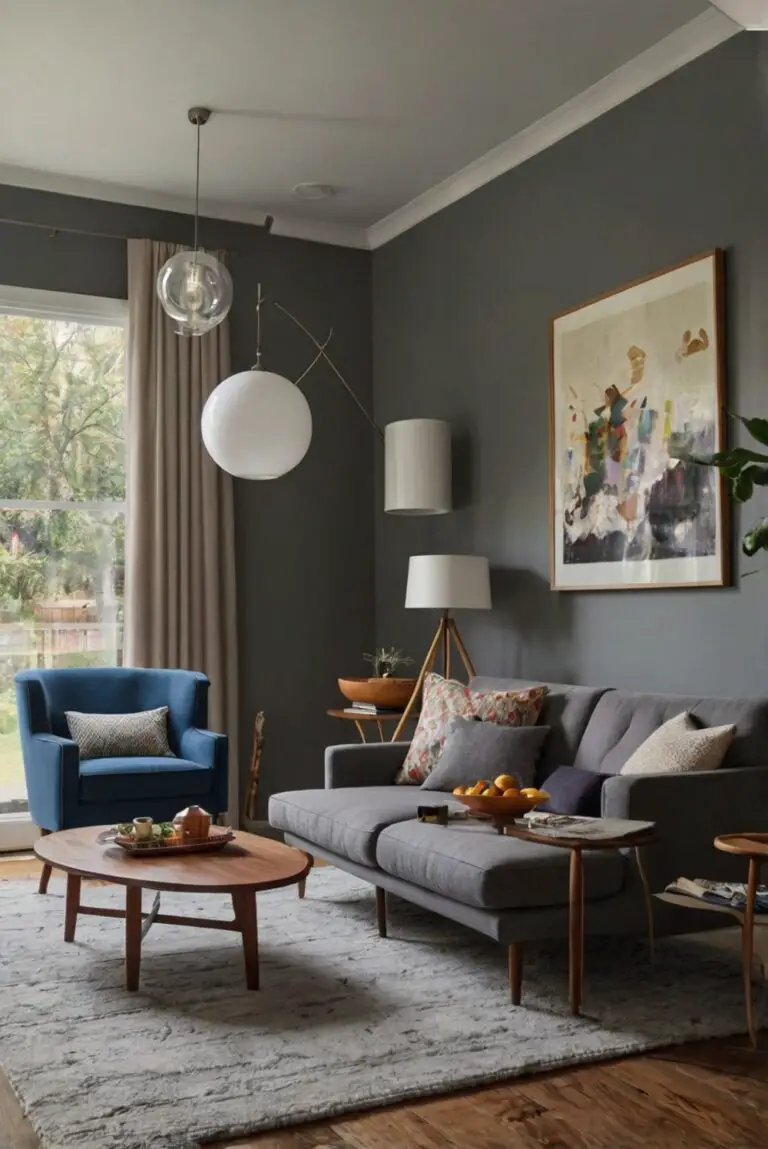
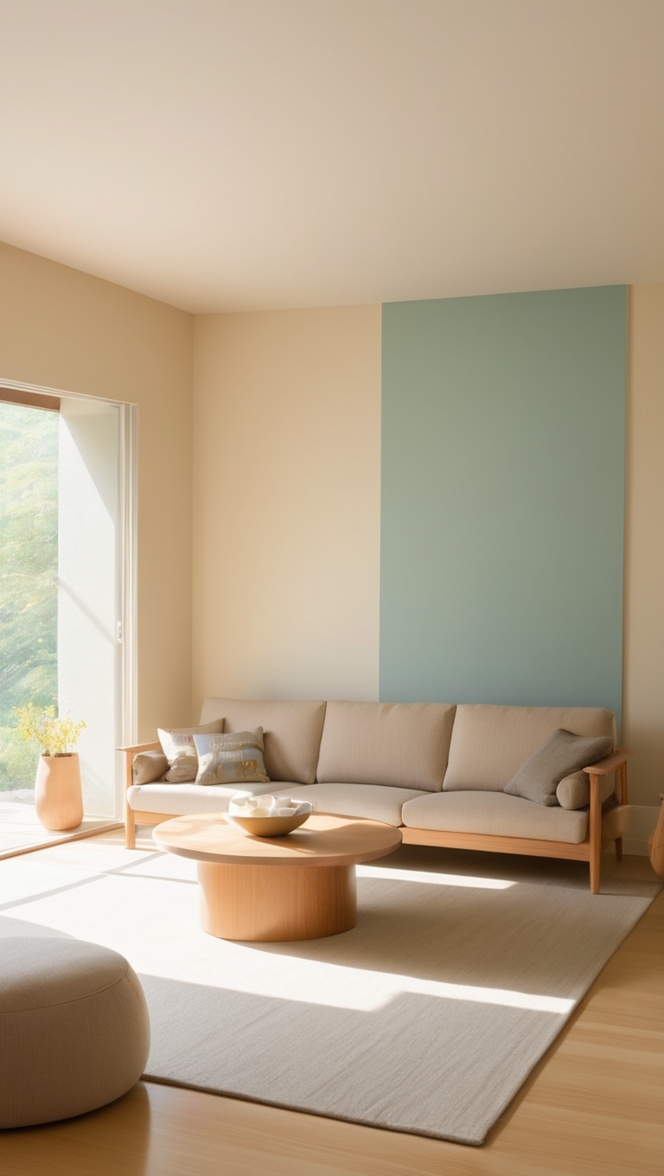
Create a serene Japanese minimalist living room using modern Japanese design style and minimalist home furnishings.
Disclosure: This post contains affiliate links. We may earn a commission at no extra cost to you.
How can I create a Japanese minimalist living room?
**
How can I create a Japanese minimalist living room?
**
**
japanese minimalist living room
**
A Japanese minimalist living room can be achieved by incorporating clean lines, neutral colors, natural materials like wood and bamboo, and minimal furniture. Clutter should be kept to a minimum. Benefits include a calming and serene space that promotes relaxation. To achieve this look, consider adding shoji screens, tatami mats, and bonsai plants. Regular decluttering and organization are key to maintaining the minimalist feel.
How can I create a Japanese minimalist living room?
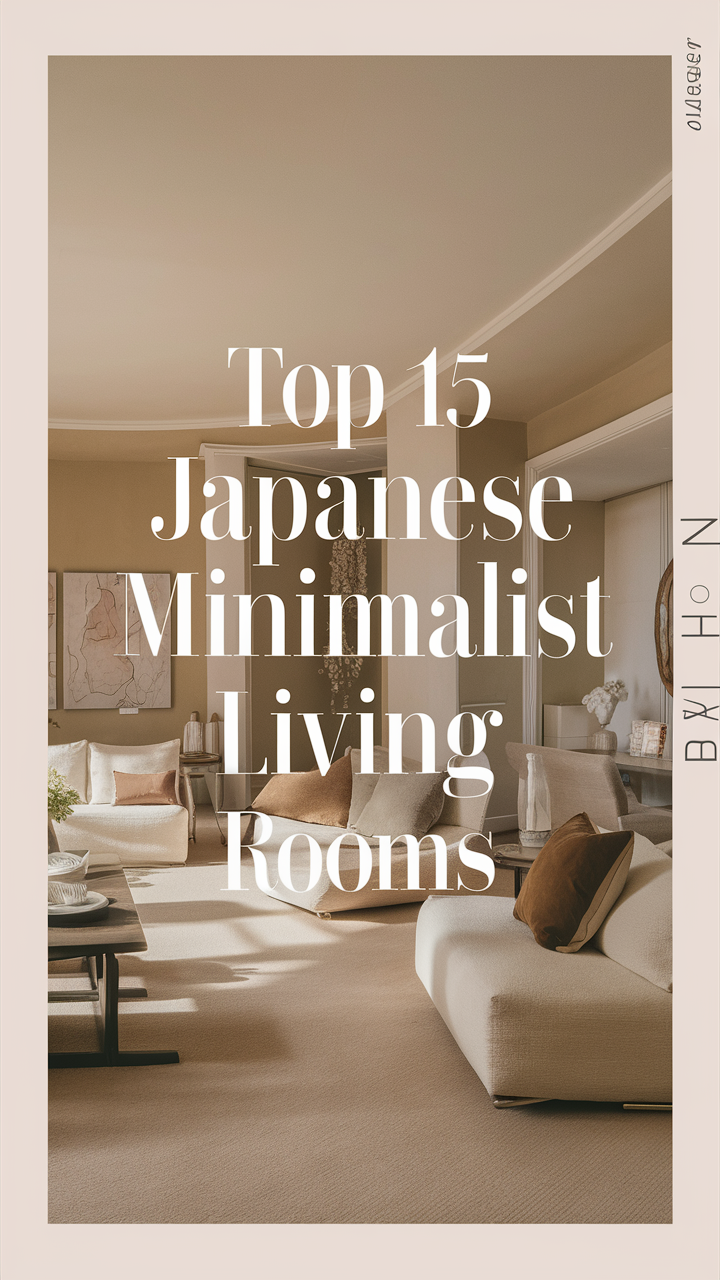
As a homeowner looking to create a serene and clutter-free living space, designing a Japanese minimalist living room can be a perfect choice. This style emphasizes simplicity, functionality, and a connection to nature. Here are some key elements and tips to help you achieve the look:
1. What are the key elements of a Japanese minimalist living room?
In a Japanese minimalist living room, less is more. Focus on clean lines, neutral colors, and a sense of balance and harmony. Opt for furniture with simple designs and natural materials like wood and bamboo. Keep the space open and uncluttered, with only essential items on display. Incorporate elements of nature such as plants, stones, or water features to create a sense of tranquility.
2. How do I choose the right furniture for a Japanese minimalist living room?
When selecting furniture for a Japanese minimalist living room, prioritize functionality and simplicity. Choose pieces that serve a purpose and have clean, unadorned designs. Low-profile seating, tatami mats, and low coffee tables are common in Japanese minimalist interiors. Opt for furniture made from natural materials like wood or bamboo to maintain a connection to nature.
3. What color palette should I use in a Japanese minimalist living room?
Stick to a neutral color palette when designing a Japanese minimalist living room. Shades of white, beige, grey, and earth tones create a calming and harmonious atmosphere. Use accents of black or dark brown sparingly to add contrast and depth to the space. Avoid bright or bold colors, as they can disrupt the minimalist aesthetic.
4. How can I incorporate natural elements into my Japanese minimalist living room?
Bringing elements of nature into your Japanese minimalist living room is essential. Consider adding indoor plants, a small bonsai tree, or a water feature to introduce a sense of serenity and tranquility. Use natural materials like wood, stone, or paper for decor elements such as screens, shoji doors, or wall art. Embrace the concept of wabi-sabi, finding beauty in imperfection and simplicity.
5. What lighting fixtures work best in a Japanese minimalist living room?
Opt for soft, diffused lighting in your Japanese minimalist living room to create a warm and inviting atmosphere. Paper lanterns, floor lamps with rice paper shades, or minimalist pendant lights can provide gentle illumination without overpowering the space. Consider incorporating natural light through large windows or skylights to enhance the connection to the outdoors.
6. How do I declutter and organize my space to achieve a minimalist look?
To achieve a minimalist look in your living room, decluttering and organization are key. Keep only essential items in the space and find creative storage solutions to hide away clutter. Use baskets, shelves, and hidden cabinets to maintain a clean and uncluttered appearance. Regularly assess your belongings and remove any items that do not serve a purpose or bring you joy.
7. Are there any cultural considerations to keep in mind when creating a Japanese minimalist living room?
When designing a Japanese minimalist living room, it’s important to respect the cultural principles of simplicity, harmony, and nature. Avoid overdecorating or cluttering the space with unnecessary items. Embrace the concept of ma, or negative space, allowing for breathing room and a sense of calm. Incorporate elements of Japanese design such as sliding doors, tatami mats, or shoji screens to create an authentic and serene atmosphere.
By following these tips and incorporating elements of Japanese minimalism into your living room design, you can create a space that is both calming and beautiful. Embrace simplicity, functionality, and a connection to nature to achieve a truly minimalist and serene living environment.

**
12 Unique Ideas to Create a Japanese Minimalist Living Room
**
Creating a Japanese minimalist living room involves incorporating specific elements and following a design philosophy that focuses on simplicity and functionality. Here are 12 unique ideas to help you achieve the perfect Japanese minimalist living room:
1. **Neutral Color Palette**: Opt for calming and neutral colors such as white, beige, and light grey to create a sense of tranquility in the room.
2. **Natural Materials**: Use natural materials like wood, bamboo, and stone to add warmth and texture to the space.
3. **Low Furniture**: Choose low-profile furniture pieces like floor cushions, low coffee tables, and futons to maintain a minimalist aesthetic.
4. **Shoji Screens**: Install shoji screens to divide the space and add an authentic Japanese touch to the room.
5. **Tatami Mats**: Incorporate tatami mats for flooring to create a traditional Japanese atmosphere.
6. **Bonsai Plants**: Add bonsai plants to bring a touch of nature indoors and promote a sense of harmony.
7. **Minimal Decor**: Keep decor accessories to a minimum to avoid clutter and maintain a clean and simple look.
8. **Hidden Storage**: Invest in furniture pieces with hidden storage compartments to keep belongings out of sight.
9. **Paper Lanterns**: Hang paper lanterns to create soft and ambient lighting that complements the minimalist style.
10. **Futuristic Lighting Fixtures**: Opt for sleek and modern lighting fixtures to add a contemporary touch to the room.
11. **Zen Garden**: Create a small indoor zen garden with rocks, sand, and miniature plants to promote relaxation and mindfulness.
12. **Japanese Artwork**: Display traditional Japanese artwork such as calligraphy, paintings, or prints to add cultural flair to the space.
By incorporating these 12 unique ideas into your Japanese minimalist living room, you can create a serene and harmonious environment that promotes relaxation and simplicity. Remember to regularly declutter and organize the space to maintain the minimalist feel and enjoy the benefits of a Japanese-inspired living room.