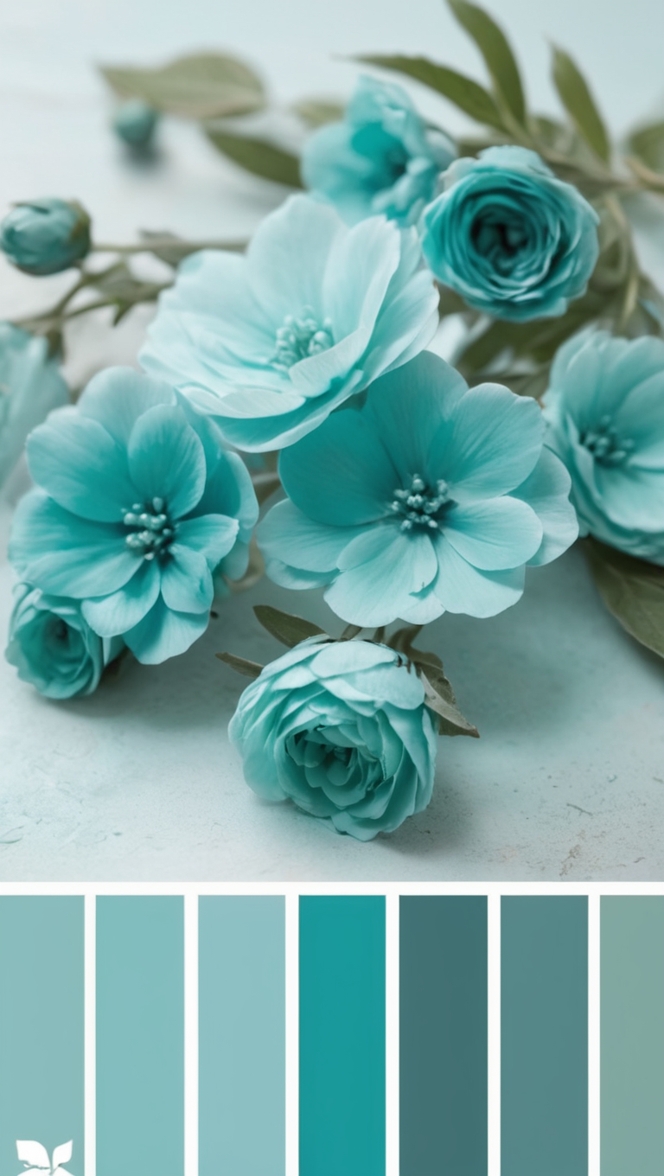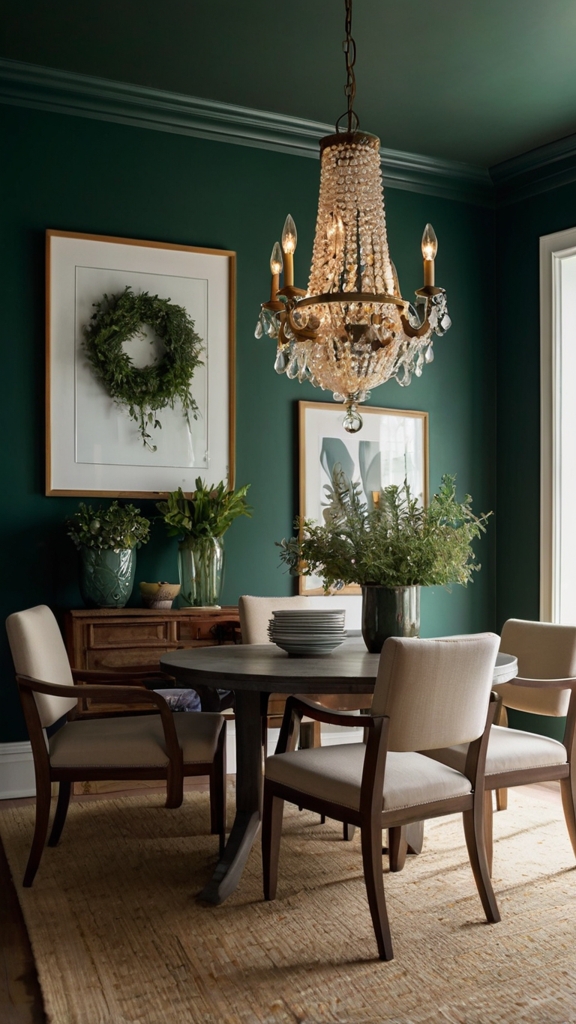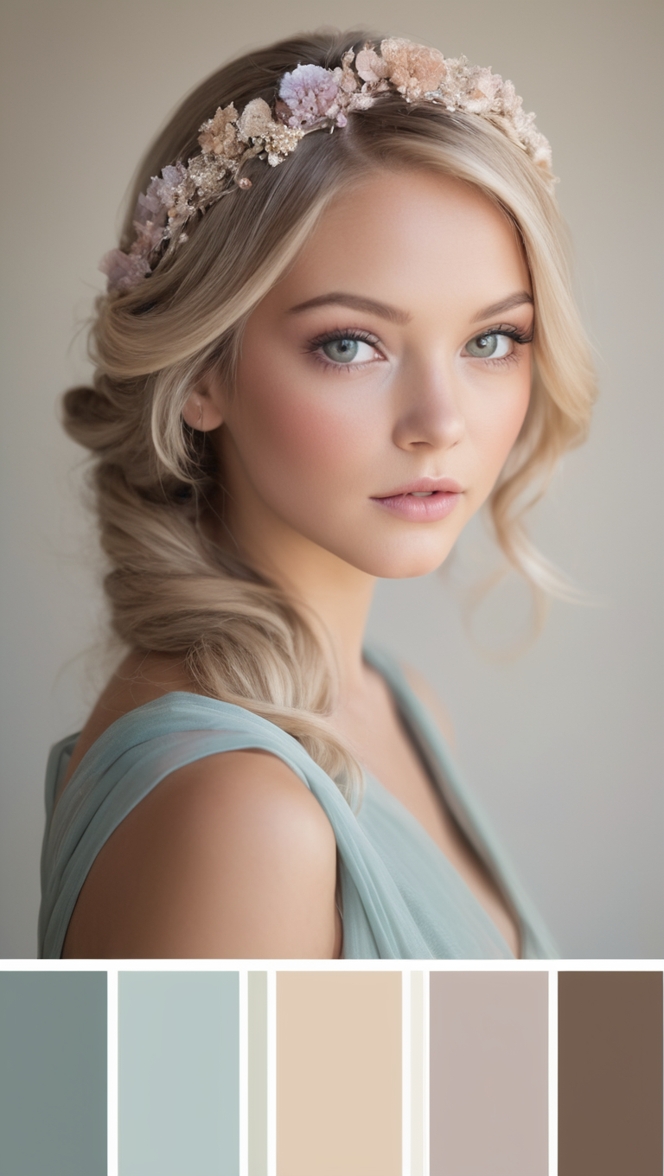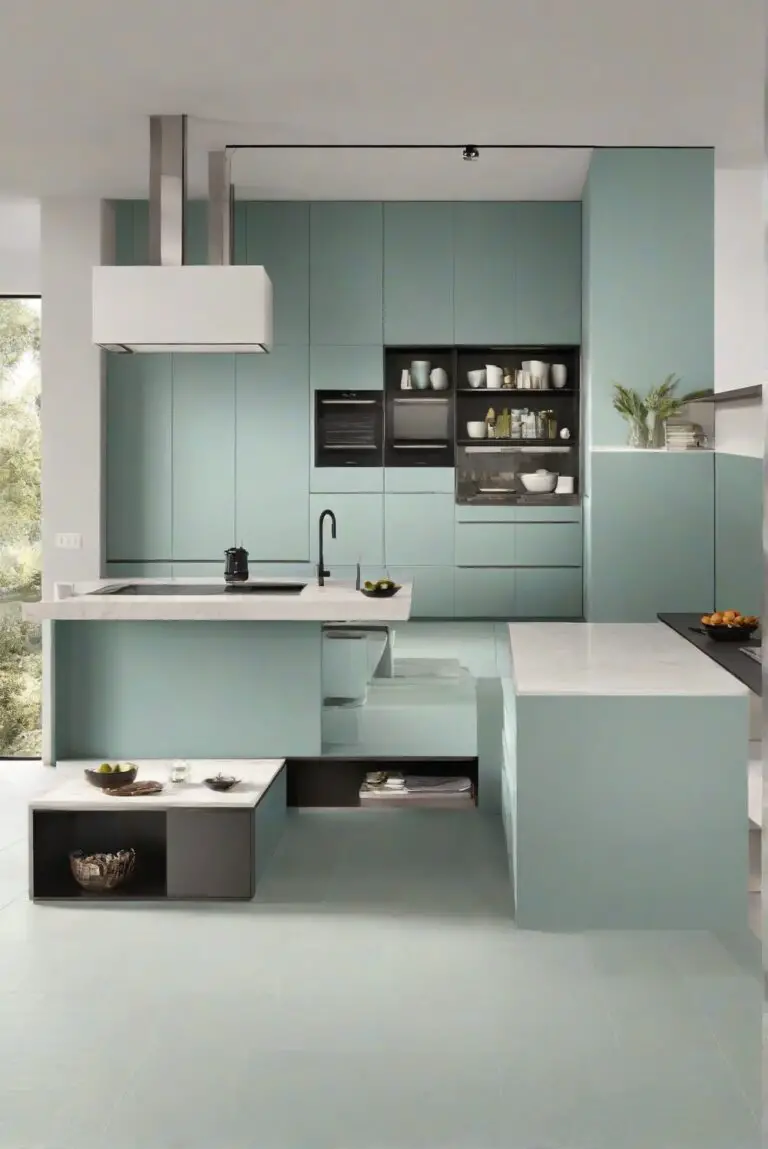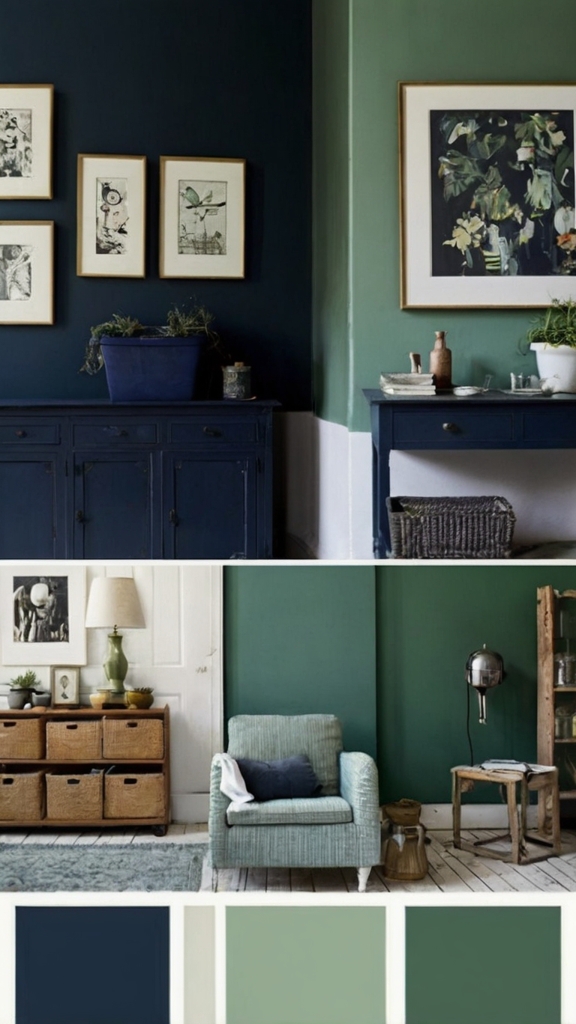
Curious about incorporating your brand colors into your design? Learn how to create a cohesive color palette.
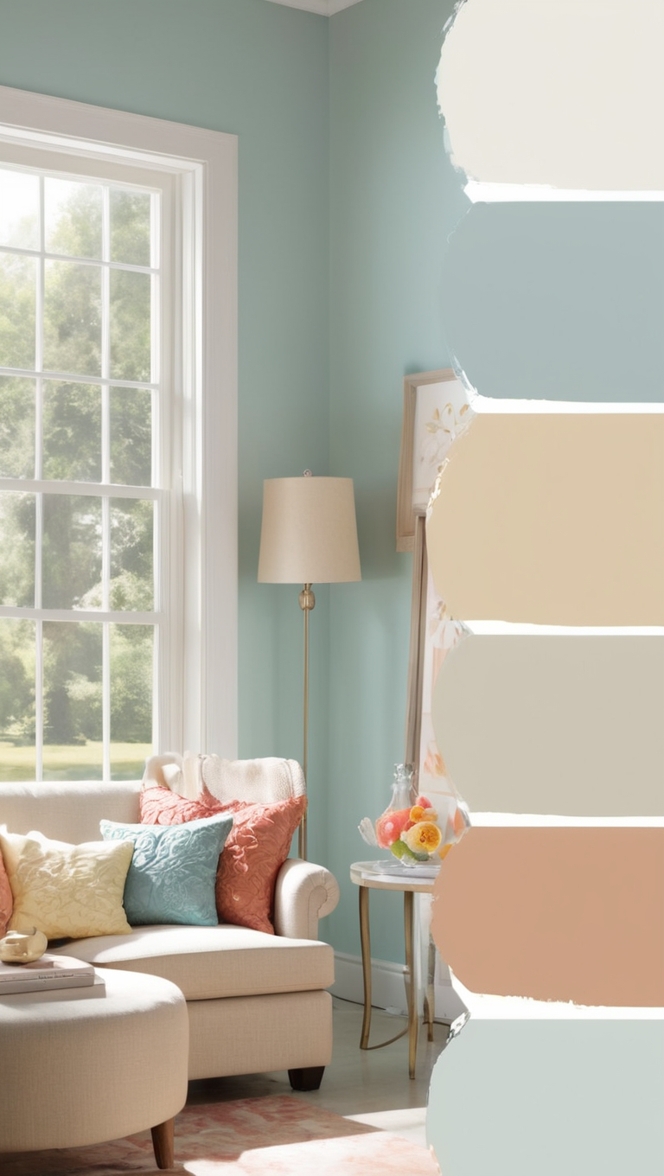
Disclosure: This post contains affiliate links. We may earn a commission at no extra cost to you.
**How can I incorporate the brand color palette into my design?**
**Brand Color Palette**
As a homeowner working on my home decor ideas, incorporating the brand color palette into your design can create a cohesive look that reflects your style. Start by identifying the primary colors in the brand palette and choose one or two as the foundation for your design. You can then add accents or complementary shades to bring variety and balance. Be mindful of color psychology and ensure the hues you select evoke the desired emotions in your living space. Additionally, consider creating a mood board with swatches and inspirations to stay organized throughout the design process.
# How can I incorporate the brand color palette into my design?
Incorporating a brand’s color palette into your design is crucial for maintaining brand consistency and creating a cohesive visual identity. As a homeowner looking to infuse your personal space with elements of your favorite brands, understanding how to use their color palette effectively can help you achieve a polished and professional look. Let’s explore the importance of using brand colors in design and some practical tips for incorporating them into your home decor.
## What is the importance of using the brand color palette in design?
Using a brand’s color palette in design helps establish brand recognition and reinforces brand identity. When you incorporate the specific colors that are associated with a brand, you create a visual connection between your design and that brand. This connection can evoke certain emotions or associations tied to the brand, making your design more impactful and memorable.
## How do I identify the primary and secondary colors of a brand’s color palette?
To identify the primary and secondary colors of a brand’s color palette, start by examining the brand’s logo, website, or marketing materials. These sources often showcase the key colors that represent the brand. Look for recurring colors or specific color codes that are consistently used across different platforms. By identifying these primary and secondary colors, you can create a palette that aligns with the brand’s visual identity.
## Are there any tools or resources available to help me match the brand colors accurately?
There are several online tools and resources that can help you match brand colors accurately. Websites like Adobe Color, Coolors, or Canva’s color palette generator allow you to input specific color codes or upload images to extract color schemes. These tools can help you identify the exact hues used in a brand’s color palette and ensure that your design aligns with the brand’s visual guidelines.
## Should I strictly adhere to the brand color palette or can I experiment with additional colors?
While it’s important to maintain consistency with a brand’s color palette, you can also experiment with additional colors to add depth and interest to your design. By incorporating complementary or accent colors that harmonize with the brand colors, you can create a unique and personalized look that still reflects the essence of the brand. Just be mindful of not straying too far from the brand’s core colors to maintain brand recognition.
## What are the common mistakes to avoid when incorporating brand colors into a design?
One common mistake when incorporating brand colors into a design is not considering how the colors interact with each other. Avoid using clashing color combinations that can create visual discord or make the design feel overwhelming. Additionally, be mindful of color psychology and how different colors can evoke specific emotions or reactions. Ensure that the colors you choose align with the intended mood or message of the design.
## How can I ensure consistency across different design elements when using the brand color palette?
To ensure consistency across different design elements, establish a style guide or color swatch that outlines the specific colors and their usage guidelines. This guide can help you maintain a cohesive look across various design elements, such as furniture, accessories, and decor items. Be consistent in applying the brand colors to different elements within your space to create a unified and visually appealing environment.
## Are there any specific color combinations that work well together within a brand color palette?
Certain color combinations work well together within a brand color palette to create a harmonious and balanced look. For example, using a mix of primary and secondary colors in varying proportions can add depth and dimension to your design. Consider incorporating contrasting colors or shades to create visual interest and highlight key elements within your space. Experiment with different color combinations to find the perfect balance that reflects both your personal style and the brand’s visual identity.
In conclusion, incorporating a brand’s color palette into your design as a homeowner can elevate the look of your space and create a strong visual connection to your favorite brands. By understanding the importance of brand colors, identifying primary and secondary hues, using tools to match colors accurately, and experimenting with additional colors, you can create a unique and personalized design that reflects your style while honoring the brand’s identity. Avoid common mistakes, ensure consistency across design elements, and explore different color combinations to create a cohesive and visually appealing home decor that showcases your love for your favorite brands.

How to Incorporate the Brand Color Palette into Your Home Decor Ideas
When it comes to designing your home, incorporating the brand color palette can be a fun and creative way to showcase your style. By using the primary colors from your favorite brand’s palette, you can create a cohesive and harmonious look that reflects your personality. Here are some ideas on how to incorporate the brand color palette into your home decor:
1. Choose a Foundation Color
Start by selecting one or two primary colors from the brand palette as the foundation for your design. This will set the tone for the entire space and provide a cohesive look throughout your home.
2. Add Accent Colors
Once you have your foundation color, consider adding accent colors from the brand palette to create visual interest and depth in your design. These accent colors can be used in furniture, accessories, or accent walls to bring variety to the space.
3. Consider Color Psychology
Take into account the psychology of colors when selecting hues from the brand palette. Different colors can evoke different emotions and moods, so choose colors that reflect the atmosphere you want to create in your home.
4. Create a Mood Board
To stay organized and inspired throughout the design process, consider creating a mood board with swatches, paint samples, and inspirational images that reflect the brand color palette. This will help you visualize how the colors will work together in your space.
5. Use Color Blocking
Experiment with color blocking techniques by using different shades from the brand palette in distinct areas of your home. This can create a bold and modern look that showcases the colors in a unique way.
6. Mix and Match Textures
Combine different textures and materials in the brand colors to add depth and dimension to your design. Consider using fabrics, rugs, and accessories in varying shades to create a visually appealing space.
7. Play with Patterns
Incorporate patterns and prints in the brand colors to add visual interest and personality to your home decor. Mix and match different patterns to create a cohesive and stylish look.
8. Bring Nature Indoors
Add natural elements in the brand colors, such as plants, flowers, or natural wood accents, to bring a sense of harmony and tranquility to your space. Nature-inspired hues can create a calming and inviting atmosphere in your home.
9. Consider Lighting
Take into consideration the lighting in your home when selecting colors from the brand palette. Natural light can affect how colors appear in a space, so test out different shades to see how they look in different lighting conditions.
10. Personalize with Accessories
Add personal touches to your home decor by incorporating accessories in the brand colors. Consider using artwork, cushions, throws, and other decorative items that reflect your style and personality.
11. Create a Focal Point
Designate a focal point in your space by using a bold color from the brand palette to draw attention and create a visual impact. This can be a statement wall, a piece of furniture, or a unique accent piece that showcases the brand colors.
12. Stay True to Your Style
Above all, stay true to your personal style and preferences when incorporating the brand color palette into your home decor. Choose colors that resonate with you and create a space that reflects your unique taste and personality.
By following these ideas and tips, you can successfully incorporate the brand color palette into your home decor and create a stylish and cohesive look that reflects your individuality. Experiment with different colors, textures, and patterns to create a space that is uniquely yours.