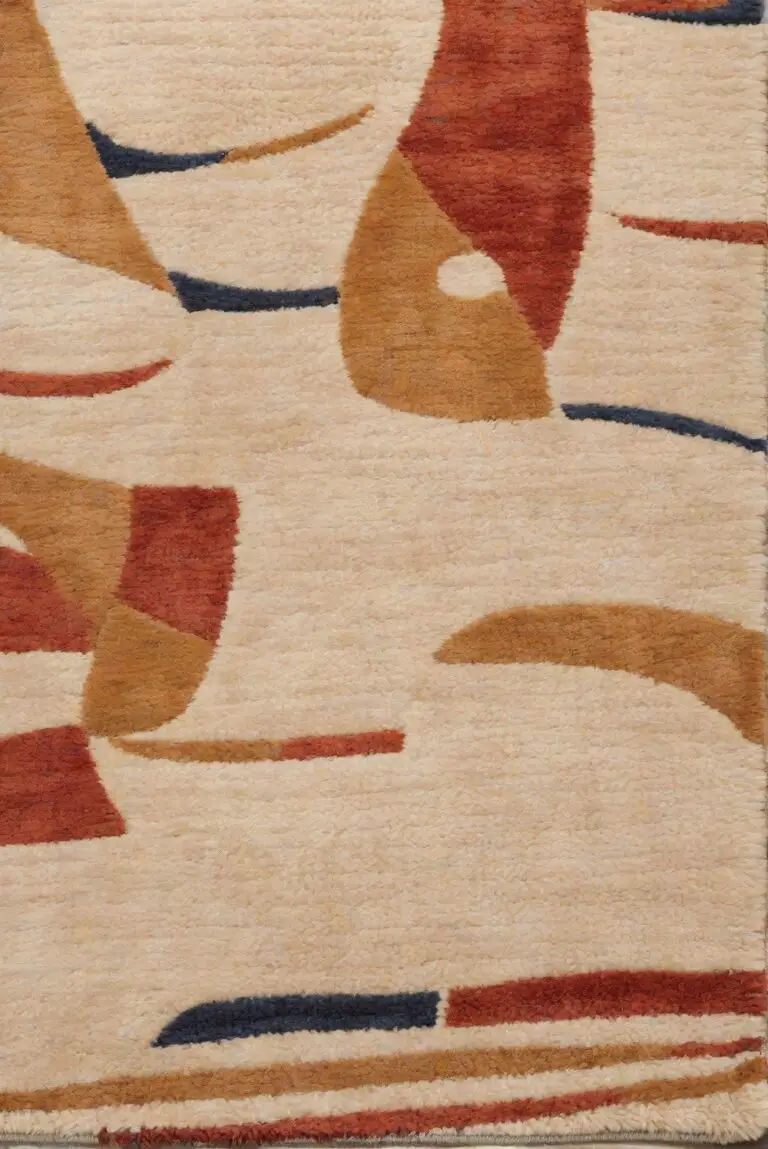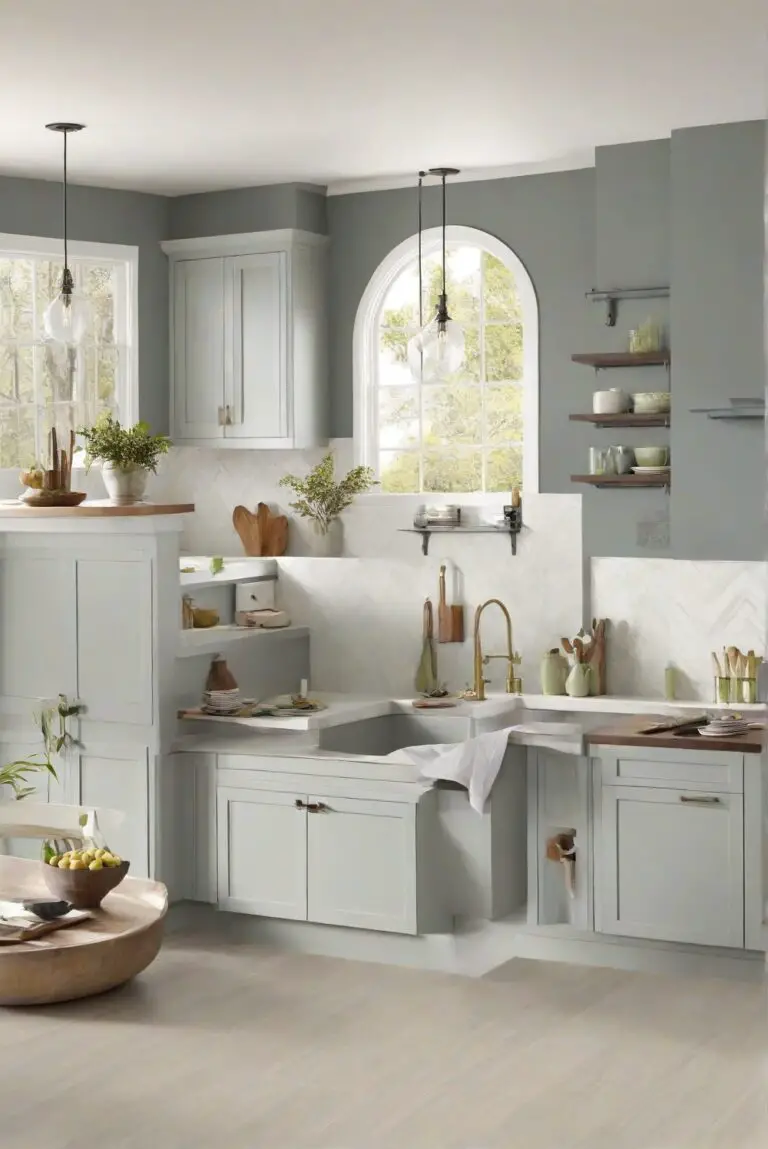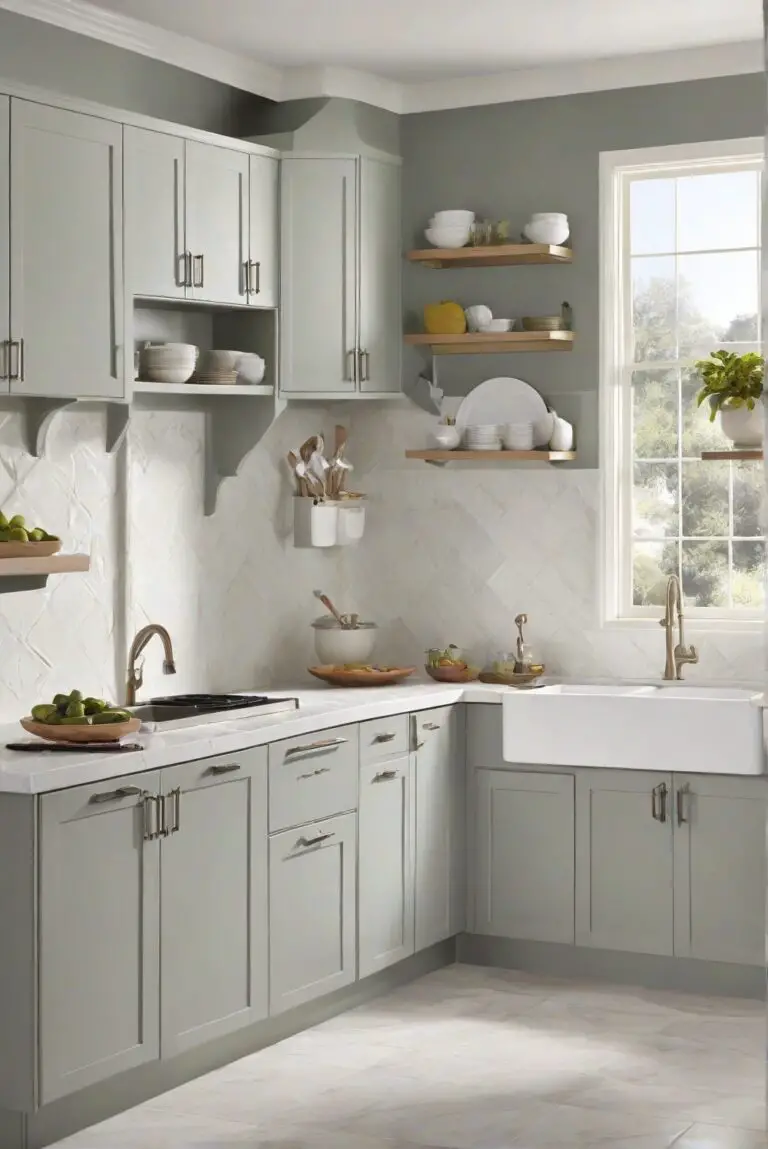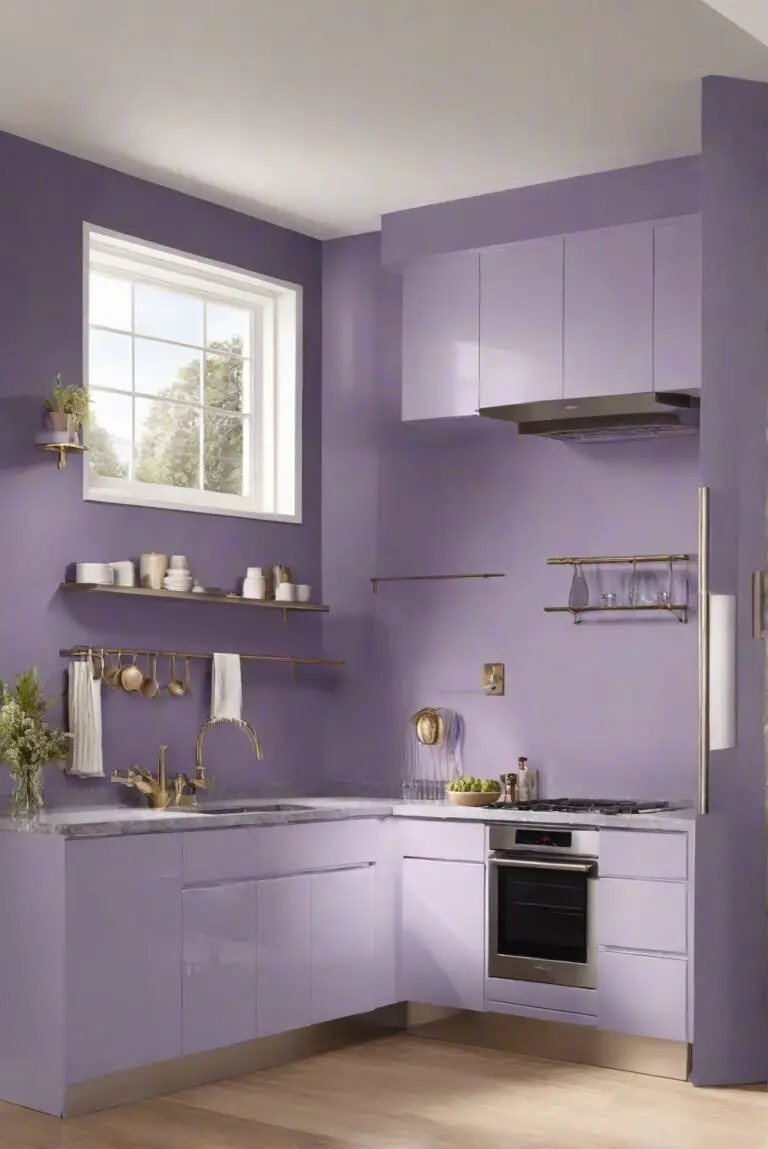
Delve into the intense colors of a moody palette and discover the rich emotions it evokes.
Disclosure: This post contains affiliate links. We may earn a commission at no extra cost to you.
What mood does the moody color palette evoke?
moody color palette
A moody color palette typically evokes feelings of sophistication, depth, and drama. Dark, rich colors like deep blues, purples, and charcoals can create a sense of coziness and intimacy in a space. Incorporating these colors into your home decor can add a touch of elegance and create a unique atmosphere. However, it’s important to balance these dark hues with lighter tones or neutrals to prevent the space from feeling too heavy or overwhelming. Pay attention to lighting as well, as dark colors can absorb light and make a room feel smaller. Be mindful of the size of your space and the natural light it receives when choosing a moody color palette.
What mood does the moody color palette evoke?
Moody colors are known for their rich, deep hues that evoke a sense of mystery, drama, and sophistication. When used in interior design or branding, these colors can create a unique atmosphere that resonates with individuals on an emotional level. As a homeowner who has experimented with moody color palettes in my own space, I have witnessed firsthand the transformative power of these hues.
How does the moody color palette differ from traditional color schemes?
Traditional color schemes often rely on bright, primary colors that are more vibrant and energetic. In contrast, moody colors are subdued, muted, and have a more complex undertone. These colors can range from deep blues and greens to rich purples and browns, creating a sense of depth and sophistication in a space.
What emotions are typically associated with moody colors?
Moody colors are often associated with emotions such as introspection, contemplation, and mystery. The deep and rich hues can evoke a sense of calmness, intimacy, and even a touch of drama. These colors have a way of enveloping a space and creating a cozy, inviting atmosphere that encourages relaxation and reflection.
Can moody colors be used in various design styles, or are they limited to specific aesthetics?
Moody colors can be versatile and adaptable to various design styles, from traditional to modern. Whether used in a classic Victorian interior or a sleek contemporary space, moody colors can add depth and character to any aesthetic. The key is to balance these colors with lighter tones and textures to prevent the space from feeling too heavy or oppressive.
Are there specific cultural or historical references that influence the perception of moody colors?
The perception of moody colors can be influenced by cultural and historical references. For example, dark, brooding colors may be associated with Gothic architecture or Victorian-era design. Additionally, certain cultures may have symbolic meanings attached to specific moody hues, such as deep reds symbolizing passion or power.
How can the use of moody colors impact the overall ambiance of a space or design project?
The use of moody colors can have a significant impact on the ambiance of a space, transforming it from ordinary to extraordinary. These colors create a sense of intimacy and coziness, making a room feel more inviting and luxurious. Whether used on walls, furniture, or accessories, moody colors can set the tone for a space and evoke specific emotions in its occupants.
Do certain moody colors evoke different emotions or moods compared to others?
Different moody colors can evoke varying emotions and moods. For example, deep blues may evoke a sense of calmness and tranquility, while rich purples can symbolize luxury and sophistication. Understanding the psychological effects of different hues can help homeowners choose the right moody colors to create the desired atmosphere in their space.
Are there any psychological effects or benefits associated with incorporating moody colors into interior design or branding?
Incorporating moody colors into interior design or branding can have psychological effects on individuals. These colors can create a sense of comfort, security, and relaxation, promoting a feeling of well-being in a space. Additionally, moody colors can also help establish a brand’s identity, conveying a sense of depth, elegance, and sophistication to consumers.
Exploring the Enigmatic Appeal of Moody Color Palettes
When it comes to interior design, the use of moody color palettes has been gaining popularity for their ability to evoke a sense of mystery, sophistication, and drama. These rich, deep hues add depth and character to a space, creating a unique ambiance that is both cozy and alluring. In this article, we will delve into the world of moody color palettes and explore 12 inspiring ideas to incorporate these shades into your home.
1. Midnight Blue Magic
One of the quintessential colors in a moody palette is midnight blue. This deep, almost-black shade exudes elegance and pairs beautifully with metallic accents like gold or brass. Consider painting an accent wall in your living room or bedroom in a luxurious midnight blue to create a sense of opulence.
2. Charcoal Charm
Charcoal gray is another versatile color that can add a touch of drama to any space. Use charcoal as a base color for your walls and complement it with lighter furnishings to create a balanced look. This color works particularly well in modern and industrial-style interiors.
3. Moody Mauve Magic
Mauve is a muted shade of purple that adds a soft, romantic feel to a room. Pairing mauve with dark greens or blues can create a harmonious color scheme that is both calming and sophisticated. Consider using mauve in your bedroom for a serene and dreamy atmosphere.
4. Enigmatic Emerald
Emerald green is a bold and luxurious color that can instantly elevate the look of a space. Consider using emerald as an accent color in your kitchen cabinets or as a statement wall in your dining room. This jewel-toned hue adds a touch of glamour and sophistication to any room.
5. Moody Mustard Magic
Mustard yellow is a warm and inviting color that works well in moody color palettes. Pair mustard with deep blues or grays for a cozy and inviting look. Consider using mustard accents in your throw pillows or rugs to add a pop of color to a neutral room.
6. Elegant Eggplant
Eggplant purple is a rich and regal color that can add a sense of luxury to a space. Use eggplant as an accent color in your dining room or bedroom to create a sophisticated and elegant look. Pair this deep purple hue with gold accents for a truly opulent feel.
7. Moody Moss Green
Moss green is a deep, earthy color that can create a sense of calm and serenity in a space. Consider using moss green in your home office or reading nook for a cozy and inviting atmosphere. This versatile shade pairs well with neutrals like beige or cream.
8. Sultry Saffron
Saffron orange is a warm and vibrant color that can add a touch of energy to a moody color palette. Use saffron as an accent color in your artwork or accessories to create a bold and eclectic look. Pair saffron with deep blues or grays for a balanced and sophisticated color scheme.
9. Moody Merlot
Merlot red is a deep and sultry color that can add a sense of drama to a space. Consider using merlot as an accent color in your living room or dining room for a bold and sophisticated look. Pair merlot with metallic accents like copper or bronze for a luxurious feel.
10. Dramatic Denim Blue
Denim blue is a classic and timeless color that works well in a moody color palette. Consider using denim blue as a base color for your walls and complementing it with lighter blues or grays for a cohesive look. This versatile shade adds a sense of depth and tranquility to a space.
11. Moody Mulberry
Mulberry purple is a rich and luxurious color that can add a sense of opulence to a room. Use mulberry as an accent color in your furniture or accessories to create a sophisticated and elegant look. Pair this deep purple hue with soft neutrals like cream or beige for a timeless color scheme.
12. Regal Ruby Red
Ruby red is a bold and striking color that can make a statement in any room. Consider using ruby red as an accent wall in your entryway or as a bold piece of furniture in your living room. This vibrant hue adds a touch of glamour and luxury to a space.
In conclusion, moody color palettes offer a unique and sophisticated way to elevate the look of your home. By incorporating rich, deep hues like midnight blue, charcoal gray, and emerald green, you can create a sense of drama and elegance that is both inviting and alluring. Experiment with different color combinations and textures to create a truly unique and personalized space that reflects your style and personality.