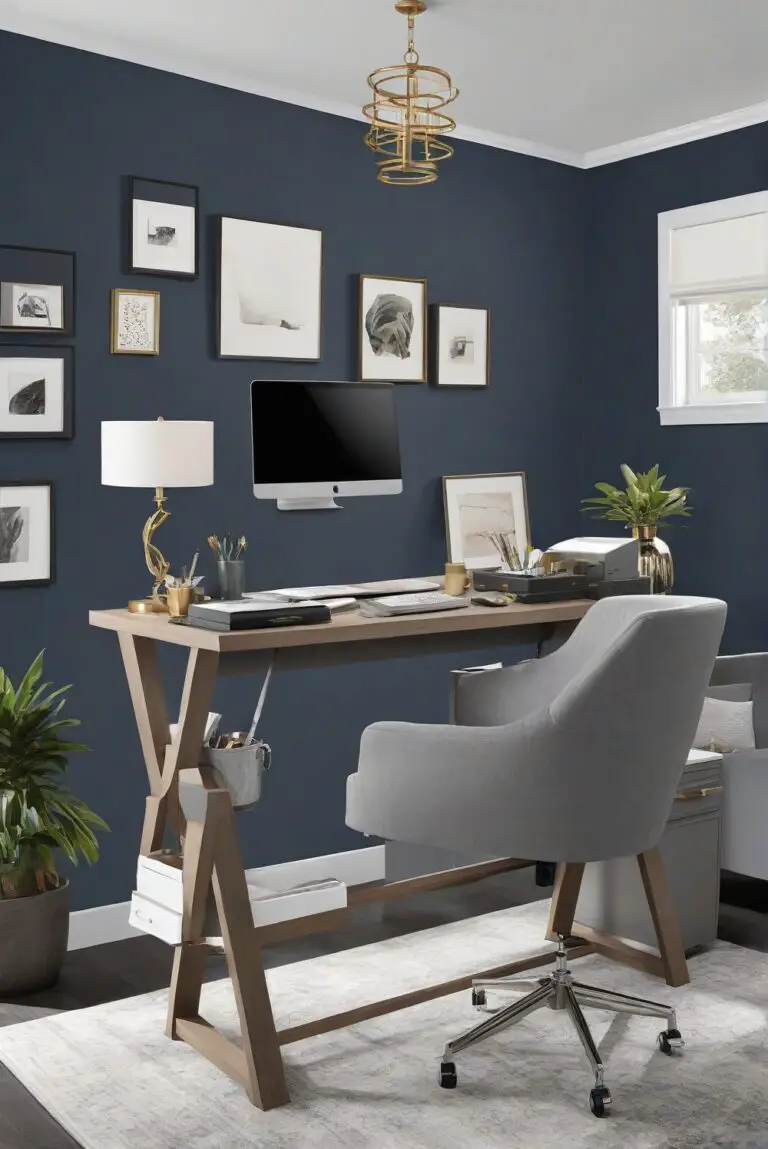
Looking to optimize your home office with a multiple monitor setup? Enhance productivity with ergonomic workstations and essential tools.
Disclosure: This post contains affiliate links. We may earn a commission at no extra cost to you.
**
How can I optimize my home office with a multiple monitor setup?
**
**
multiple monitor setup home office
**
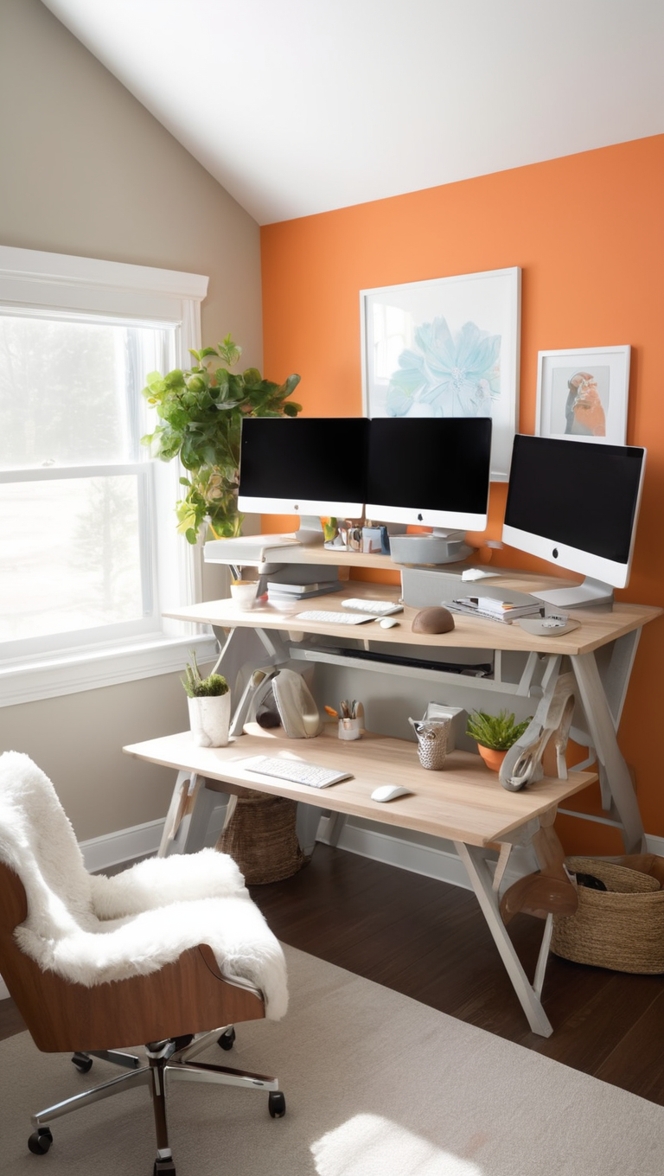
A multiple monitor setup in your home office can greatly boost productivity. By having more screen real estate, you can multitask efficiently, view multiple applications simultaneously, and have a seamless workflow. To optimize this setup, ensure your monitors are aligned at eye level to reduce strain on your neck and eyes. Cable management is essential to keep your workspace organized and free from clutter. Additionally, invest in a good quality monitor stand for better ergonomics.
—
By organizing your home office with a multiple monitor setup, you can create a productive and comfortable workspace. Ensure that your setup is ergonomic to reduce the risk of strain and discomfort. Having multiple monitors also allows for better task management and increased efficiency. Consider the layout of your monitors to maximize productivity and minimize distractions. Keep cables tidy and invest in adjustable monitor stands for optimal comfort. With these steps, you can optimize your home office for improved work performance.
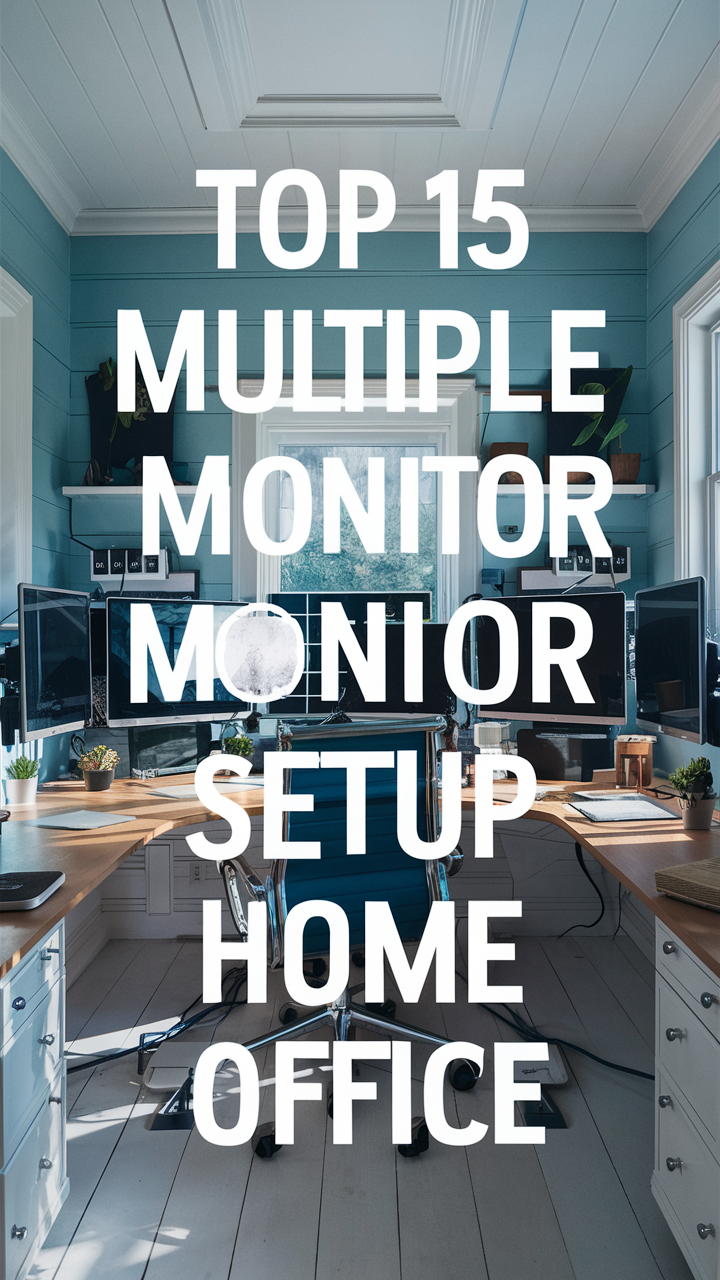
How can I optimize my home office with a multiple monitor setup?
In today’s digital age, having a well-equipped home office is essential for productivity and efficiency. One popular solution to enhance your workspace is by setting up a multiple monitor system. This controversial-style article will delve into the benefits and considerations of optimizing your home office with a multiple monitor setup.
1. Why should I consider a multiple monitor setup for my home office?
As a homeowner who has experimented with various office setups, I can attest to the significant impact a multiple monitor setup can have on productivity. With multiple monitors, you can seamlessly switch between tasks, reference information simultaneously, and create a more immersive work environment.
2. What are the advantages of using multiple monitors in a home office environment?
Using multiple monitors in a home office environment offers numerous advantages, including increased screen real estate, improved multitasking capabilities, enhanced workflow efficiency, and reduced eye strain. These benefits can lead to higher productivity and overall job satisfaction.
3. How many monitors should I use for an optimal setup?
The number of monitors you should use for an optimal setup depends on your specific needs and workspace constraints. While some users may find two monitors sufficient, others may benefit from three or more monitors for a more expansive display area.
4. What types of tasks or professions benefit the most from a multiple monitor setup?
Professions that involve data analysis, graphic design, programming, video editing, and financial trading are among those that can benefit the most from a multiple monitor setup. These tasks require a high level of multitasking and information referencing, making multiple monitors a valuable tool.
5. Are there any potential drawbacks or challenges associated with using multiple monitors at home?
While the benefits of using multiple monitors are significant, there are also potential drawbacks to consider, such as increased power consumption, desk space requirements, and initial setup costs. Additionally, some users may experience distractions or difficulty managing multiple screens effectively.
6. How can I arrange multiple monitors effectively to maximize productivity?
Arranging multiple monitors effectively involves considerations such as screen positioning, alignment, and ergonomics. By creating a seamless and ergonomic setup, you can minimize neck strain, eye fatigue, and improve overall workflow efficiency.
7. What technical requirements or considerations should I keep in mind when setting up multiple monitors in my home office?
When setting up multiple monitors in your home office, you should consider factors such as monitor compatibility, graphics card capabilities, cable management, and display configurations. Ensuring that your hardware and software are optimized for multiple monitors will help you maximize their benefits.

**
1. Create a Color-Coded System:
**
When setting up your multiple monitor home office, consider using different colored backgrounds or borders for each monitor to visually distinguish between them. This can help you easily identify which screen is displaying specific information or tasks, making it easier to navigate between applications.
**
2. Opt for Matte Screens:
**
Choose monitors with matte screens to reduce glare and reflections, which can strain your eyes and make it difficult to see the content on your displays. Matte screens are also less prone to fingerprint smudges, keeping your workspace looking clean and professional.
**
3. Utilize Taskbar Customization:
**
Customize the taskbar on each monitor to display only the applications relevant to that screen. This can help you stay organized and focused on specific tasks without cluttering your workspace with unnecessary icons or distractions.
**
4. Invest in a Monitor Calibration Tool:
**
Use a monitor calibration tool to ensure that the colors and brightness levels across all your monitors are consistent. This can help prevent eyestrain and ensure that your work is displayed accurately across all screens.
**
5. Create Virtual Desktops:
**
Take advantage of virtual desktop features on your operating system to create separate workspaces for different tasks. This can help you organize your workflow and switch between projects or applications seamlessly without cluttering your physical desktop space.
**
6. Use Monitor Arms for Flexibility:
**
Consider mounting your monitors on adjustable monitor arms to customize the height, angle, and orientation of each screen. This can help you achieve optimal ergonomics and reduce strain on your neck and back during long work sessions.
**
7. Implement a Monitor Rotation Feature:
**
If your monitors support rotation, consider setting them up in portrait mode for tasks that require viewing long documents or web pages. This can improve readability and make it easier to scroll through content without constantly zooming in and out.
**
8. Create Custom Keyboard Shortcuts:
**
Assign custom keyboard shortcuts to switch between monitors or move windows across screens quickly. This can streamline your workflow and save time by eliminating the need to manually drag and resize windows on different monitors.
**
9. Implement a Unified Color Scheme:
**
Choose a cohesive color scheme for your desktop backgrounds, taskbar, and application windows across all monitors. This can create a visually harmonious workspace and reduce visual distractions that may arise from mismatched colors or themes.
**
10. Consider Anti-Glare Filters:
**
If you work in a bright environment with natural light or overhead lighting, consider using anti-glare filters on your monitors to reduce reflections and glare. This can improve visibility and reduce eye strain, especially during extended work hours.
**
11. Optimize Monitor Placement:
**
Position your monitors in a way that minimizes neck strain and promotes good posture. Ensure that the primary monitor is directly in front of you at eye level, with secondary monitors positioned at an angle to reduce head movement when switching between screens.
**
12. Use Productivity Apps for Multi-Monitor Setup:
**
Explore productivity apps and software designed specifically for multi-monitor setups to enhance your workflow. These tools can help you manage tasks, organize windows, and create custom layouts that maximize the efficiency of your multiple monitor home office setup.