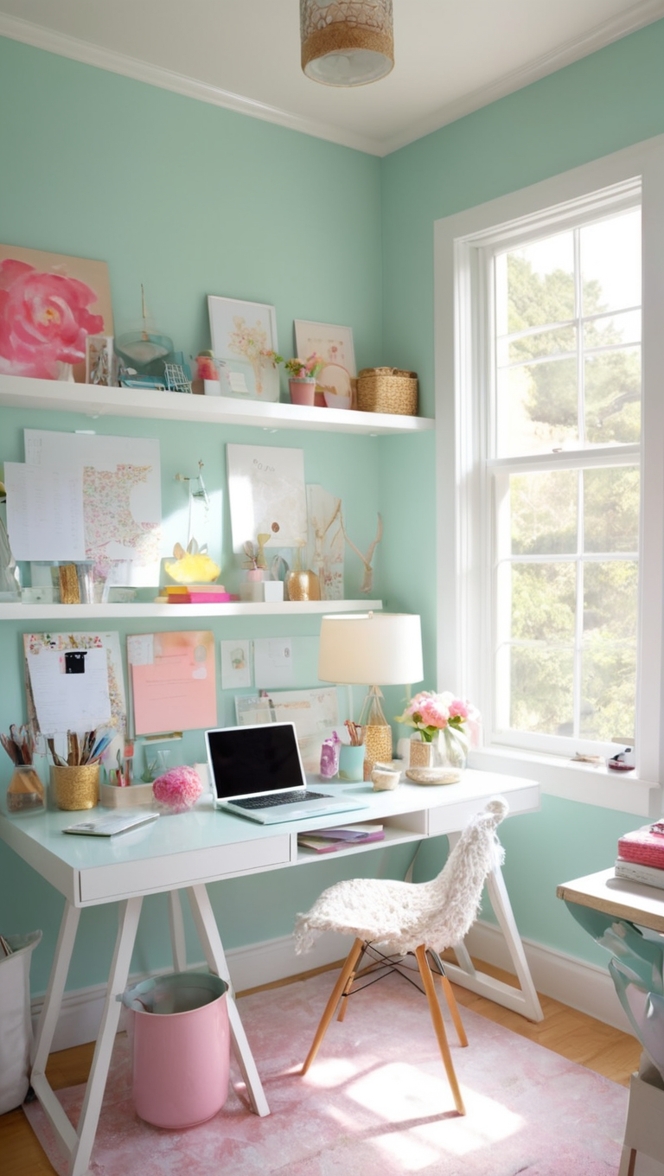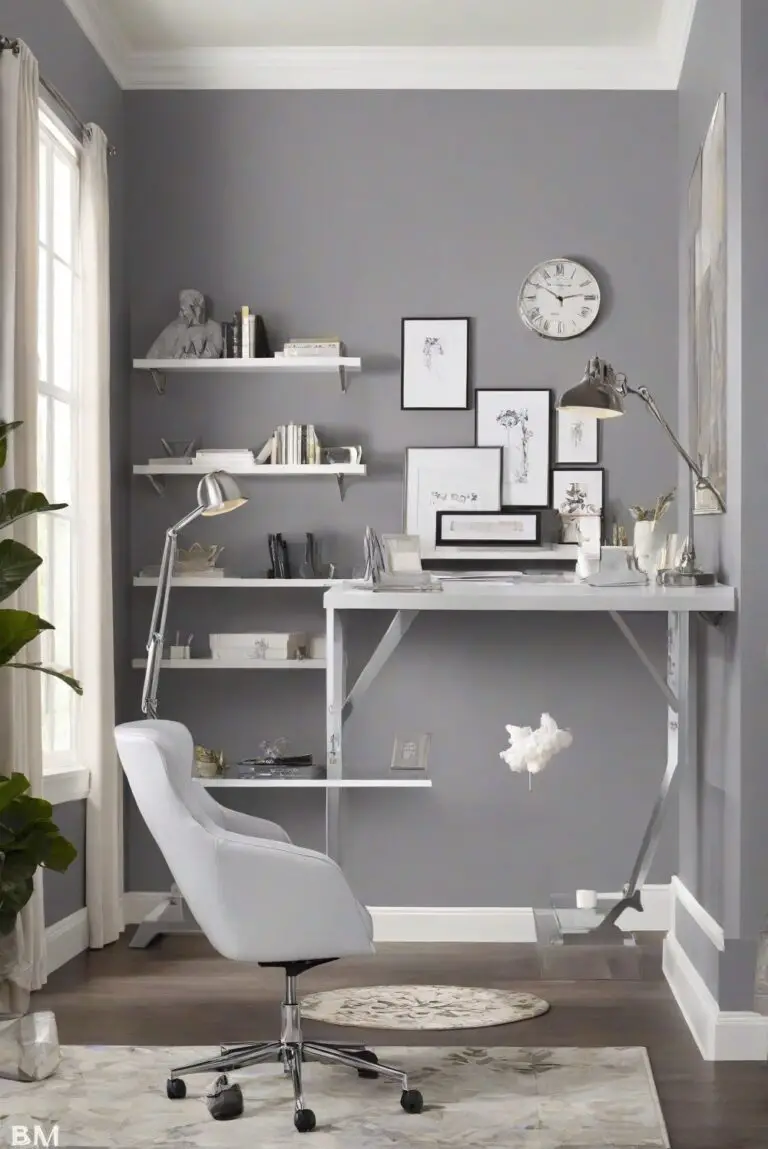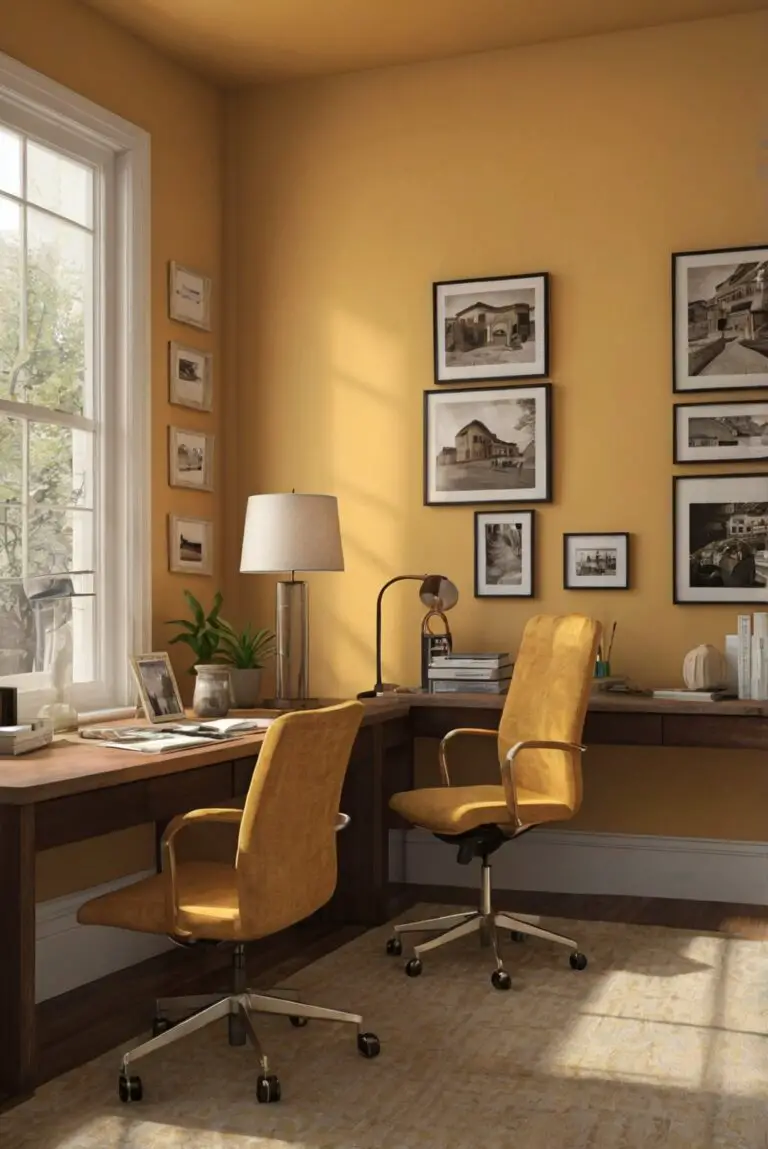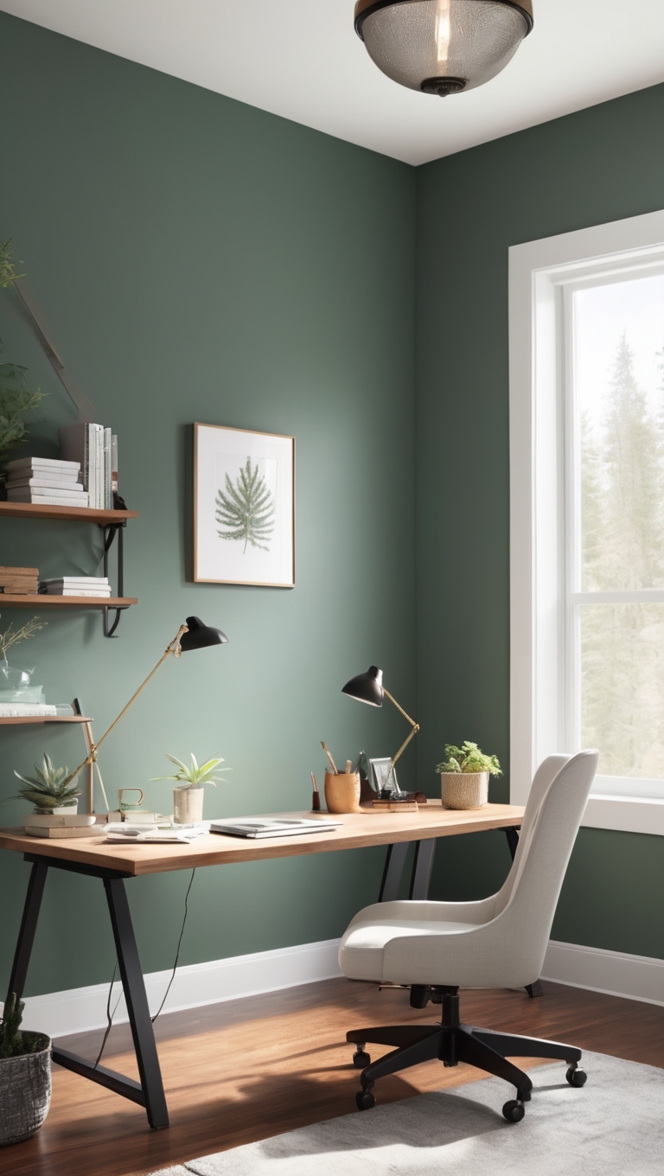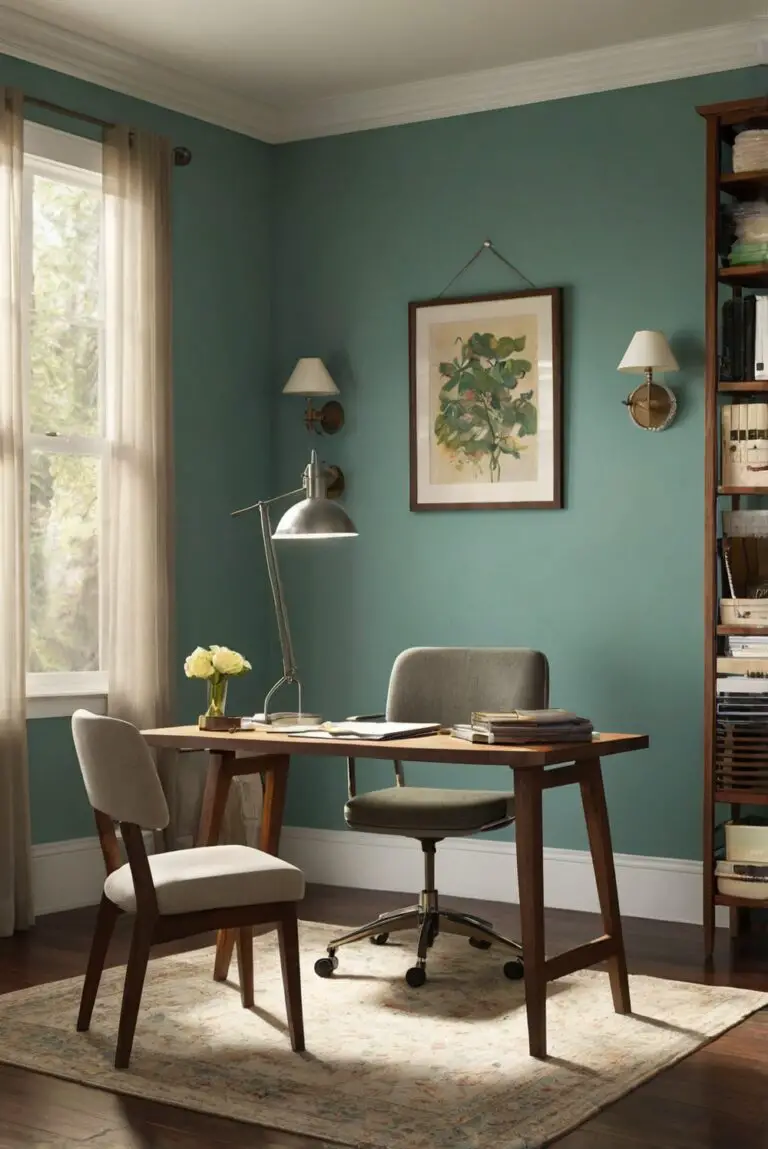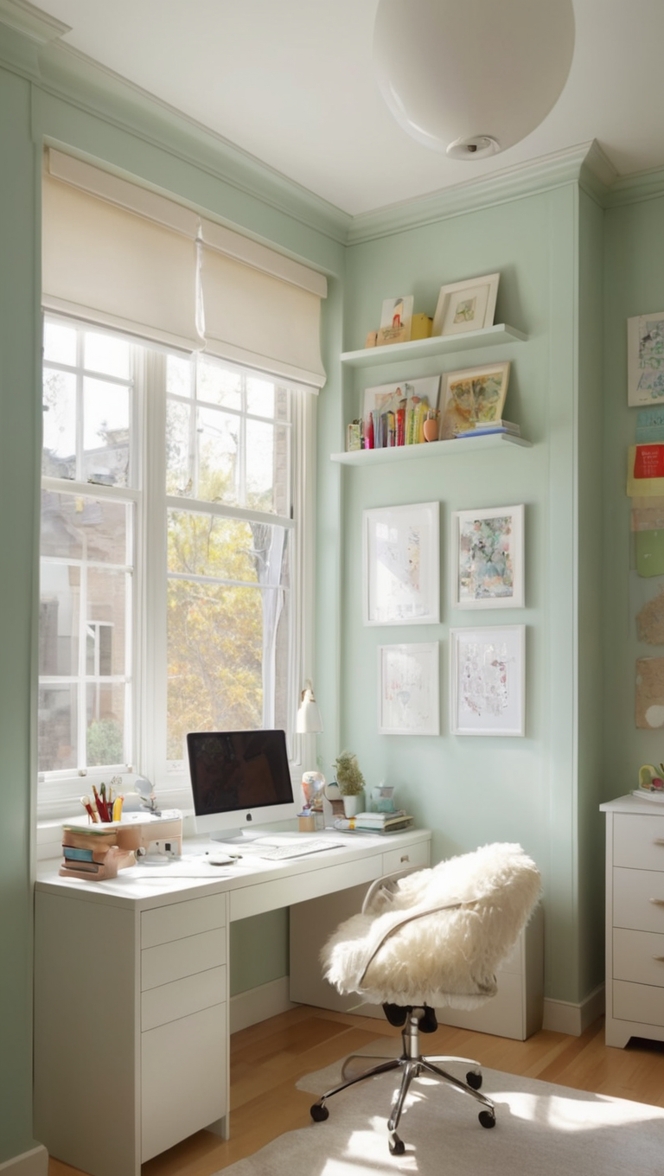
Upgrade your home office setup with an ergonomic office chair, adjustable standing desk, and dual monitor setup.
Disclosure: This post contains affiliate links. We may earn a commission at no extra cost to you.
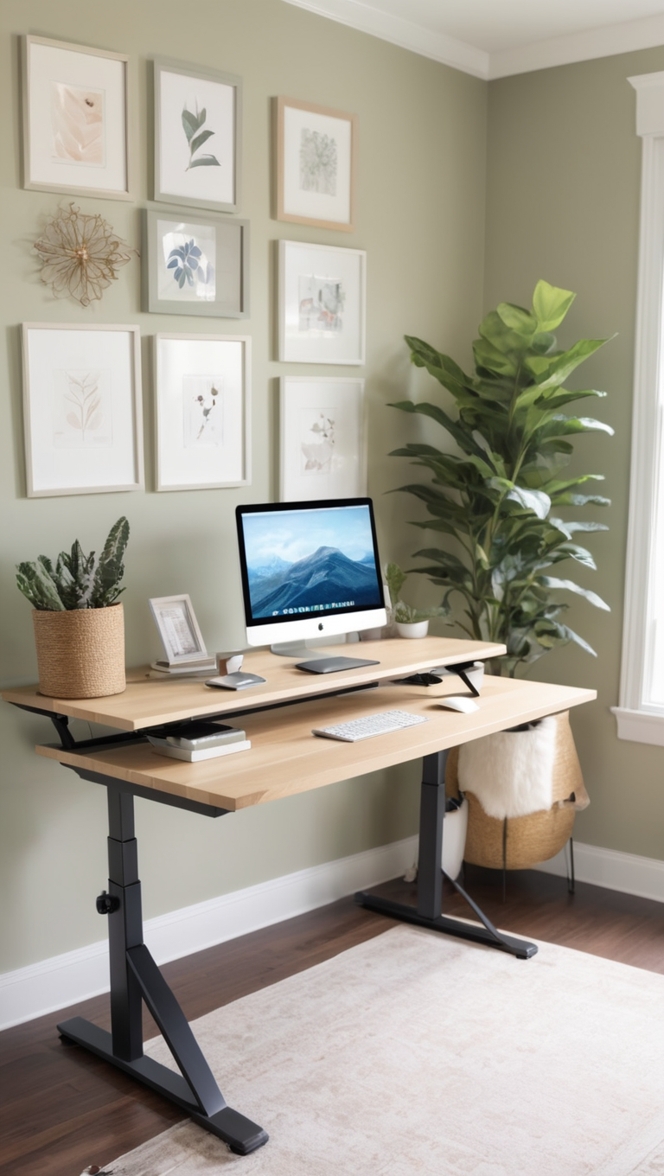
Home office setup with a standing desk can be optimized by ensuring the desk is at the right height to prevent strain on the body. Adding an anti-fatigue mat can help reduce discomfort from prolonged standing. It’s important to have proper lighting and a comfortable chair for breaks. Consider a monitor stand to keep the screen at eye level. Standing desks can improve posture and reduce the risk of health issues associated with sitting for long periods.
How can I optimize my home office setup with a standing desk?
As a homeowner looking to enhance my home office setup, incorporating a standing desk can offer numerous benefits for both my health and productivity. Standing desks are becoming increasingly popular due to their ergonomic advantages and potential to combat the negative effects of prolonged sitting. In this article, I will explore the key considerations and strategies for optimizing my home office setup with a standing desk.
When considering a standing desk for my home office, what are the key benefits I should be aware of?
Standing desks provide several benefits that can positively impact my work environment and overall well-being. Some key advantages include:
- Improved posture and reduced risk of musculoskeletal issues
- Increased energy and focus throughout the workday
- Better circulation and reduced risk of cardiovascular problems
- Potential for burning more calories compared to sitting
By understanding these benefits, I can make an informed decision to incorporate a standing desk into my home office setup.
What are the ergonomic factors I need to consider when setting up a standing desk in my home office?
Proper ergonomics are essential for maximizing the benefits of a standing desk. When setting up my standing desk, I should consider the following factors:
- Adjusting the desk height to ensure my elbows are at a 90-degree angle
- Positioning the monitor at eye level to reduce neck strain
- Using an anti-fatigue mat to alleviate pressure on my feet and legs
- Incorporating a footrest to support proper posture and circulation
By addressing these ergonomic considerations, I can create a comfortable and efficient workspace with my standing desk.
How can I ensure the correct height and positioning of my standing desk to maximize its benefits?
Achieving the correct height and positioning of my standing desk is crucial for optimizing its benefits. To ensure proper alignment, I can follow these guidelines:
- Stand upright with my arms at my sides and adjust the desk height to align with my elbows
- Position the monitor directly in front of me at eye level to maintain a neutral neck position
- Place frequently used items within arm’s reach to minimize reaching and strain
- Adjust the keyboard and mouse to maintain a relaxed and natural wrist position
By fine-tuning the height and placement of my standing desk, I can enhance my comfort and productivity while working from home.
Are there any recommended accessories or tools that can enhance the functionality of a standing desk in a home office setup?
Several accessories and tools can complement the functionality of a standing desk in a home office environment. Some recommended options include:
- Monitor arms for flexible screen positioning
- Cable management solutions to keep cords organized and out of the way
- Desk converters for easy transition between sitting and standing positions
- Anti-fatigue mats and ergonomic stools for added comfort and support
By incorporating these accessories, I can further customize my standing desk setup to suit my needs and preferences.
What are some common mistakes to avoid when transitioning to a standing desk in my home office?
When transitioning to a standing desk, it’s important to be aware of common mistakes that can hinder its effectiveness. Some pitfalls to avoid include:
- Standing for prolonged periods without taking breaks
- Using incorrect posture or positioning while standing
- Neglecting to adjust the desk and monitor height for proper ergonomics
- Failing to incorporate sitting breaks to prevent fatigue and discomfort
By staying mindful of these mistakes, I can make a smooth transition to using a standing desk in my home office without sacrificing my comfort or health.
How can I maintain good posture and avoid discomfort while using a standing desk in my home office?
Maintaining good posture is essential for preventing discomfort and strain when using a standing desk. To promote proper alignment and comfort, I can follow these posture tips:
- Engage my core muscles and stand tall with shoulders relaxed and back straight
- Distribute my weight evenly on both feet and avoid locking my knees
- Take regular breaks to stretch and change positions to prevent stiffness
- Listen to my body and adjust my posture or stance as needed to alleviate any discomfort
By prioritizing good posture and body mechanics, I can optimize the benefits of my standing desk while minimizing the risk of discomfort or injury.
Are there any productivity tips or strategies specifically tailored for working at a standing desk in a home office environment?
Working at a standing desk in a home office presents unique opportunities to boost productivity and focus. Some tailored strategies for maximizing productivity include:
- Creating a designated standing schedule to alternate between sitting and standing positions
- Utilizing standing breaks for quick stretches or movement to refresh my mind and body
- Organizing my workspace to minimize clutter and distractions for improved concentration
- Implementing a timer or reminder to encourage regular posture adjustments and breaks
By incorporating these productivity tips into my routine, I can make the most of my standing desk setup and optimize my work performance in a home office setting.
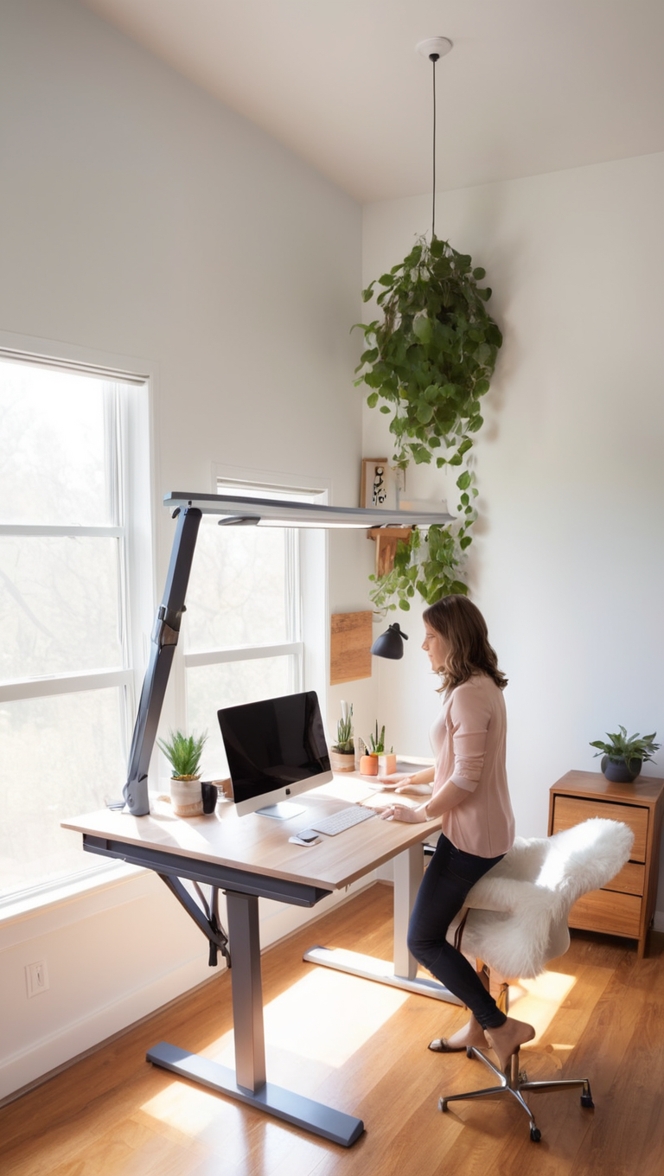
Optimizing Your Home Office Setup with a Standing Desk: 12 Ideas for a Productive Work Environment
Working from home has become the new norm for many people, and having a well-designed home office setup is essential for productivity and comfort. One popular option is to use a standing desk, which can help improve posture, reduce the risk of health issues associated with sitting for long periods, and increase energy levels. However, to truly optimize your home office setup with a standing desk, there are several key factors to consider.
1. Choose the Right Desk Height
When setting up your standing desk, it’s crucial to ensure that the desk is at the right height to prevent strain on your body. Ideally, your elbows should be at a 90-degree angle when typing, and your wrists should be in a neutral position. Adjust the desk height accordingly to achieve this optimal ergonomic position.
2. Invest in an Anti-Fatigue Mat
Standing for long periods can lead to discomfort and fatigue in your feet and legs. To alleviate this, consider investing in an anti-fatigue mat to provide cushioning and support while standing at your desk. This can help reduce the strain on your body and make standing for extended periods more comfortable.
3. Ensure Proper Lighting
Good lighting is essential for a productive work environment. Make sure your home office is well-lit to prevent eye strain and fatigue. Position your desk near a window for natural light, and supplement with task lighting as needed. Avoid glare on your computer screen by adjusting the placement of overhead lights or using a glare-reducing screen.
4. Choose a Comfortable Chair for Breaks
While a standing desk is great for active work periods, it’s important to have a comfortable chair for breaks and when you need to sit down. Choose a chair with proper lumbar support and adjust the height so your feet are flat on the floor and your knees are at a 90-degree angle. Taking regular breaks to sit can help prevent fatigue and improve overall comfort.
5. Consider a Monitor Stand
To prevent neck strain and maintain good posture while using your computer, consider using a monitor stand to elevate the screen to eye level. This will help reduce neck and shoulder tension and promote a more ergonomic setup. Adjust the height of the stand so that your eyes are in line with the top of the monitor for optimal viewing comfort.
6. Incorporate Plants for a Calming Environment
Adding plants to your home office can help create a calming and productive work environment. Plants not only improve air quality but also have been shown to reduce stress and increase focus. Choose low-maintenance plants like succulents or pothos that thrive in indoor settings and require minimal care.
7. Personalize Your Workspace with Inspirational Decor
Make your home office a place that inspires you by adding personal touches and inspirational decor. Hang motivational quotes, display artwork that brings you joy, or incorporate items that reflect your interests and hobbies. Creating a space that resonates with you can boost creativity and motivation.
8. Organize Your Desk with Storage Solutions
A cluttered desk can lead to distraction and decreased productivity. Keep your workspace organized by using storage solutions like desk organizers, filing cabinets, or shelving units. Designate specific areas for different items and regularly declutter to maintain a clean and efficient workspace.
9. Use a Wireless Keyboard and Mouse for Flexibility
Enhance your ergonomic setup by using a wireless keyboard and mouse that allow for greater flexibility in positioning. This can help reduce strain on your wrists and arms by allowing you to adjust the placement of your peripherals to suit your comfort. Choose a keyboard and mouse with ergonomic design features for added comfort during long work sessions.
10. Set Up a Dedicated Workstation for Focus
Create a dedicated workstation in your home office that is specifically designed for work tasks. This can help separate your work life from your personal life and improve focus and productivity. Choose a quiet area with minimal distractions and personalize the space to promote a productive mindset.
11. Incorporate Standing Desk Accessories for Convenience
To further enhance your standing desk setup, consider incorporating accessories that increase convenience and functionality. Items like cable management solutions, laptop stands, or adjustable desk converters can help optimize your workspace and improve efficiency. Choose accessories that complement your workflow and make your workday easier.
12. Experiment with Different Desk Configurations for Variety
Don’t be afraid to experiment with different desk configurations to find what works best for you. Try alternating between sitting and standing throughout the day, using a balance board or stability ball for added movement, or adjusting the height of your desk to accommodate different tasks. Variety in your workspace can help prevent monotony and keep you engaged and productive.
By implementing these 12 ideas, you can optimize your home office setup with a standing desk for a more productive and comfortable work environment. Remember to prioritize ergonomics, lighting, and personalization to create a space that supports your work tasks and promotes overall well-being.