Discover the allure of Japanese home entrances, showcasing traditional design, decor, and architecture with unique features. Explore now!
Disclosure: This post contains affiliate links. We may earn a commission at no extra cost to you.
**Unique features of a Japanese home entrance**
What are some unique features of a Japanese home entrance?
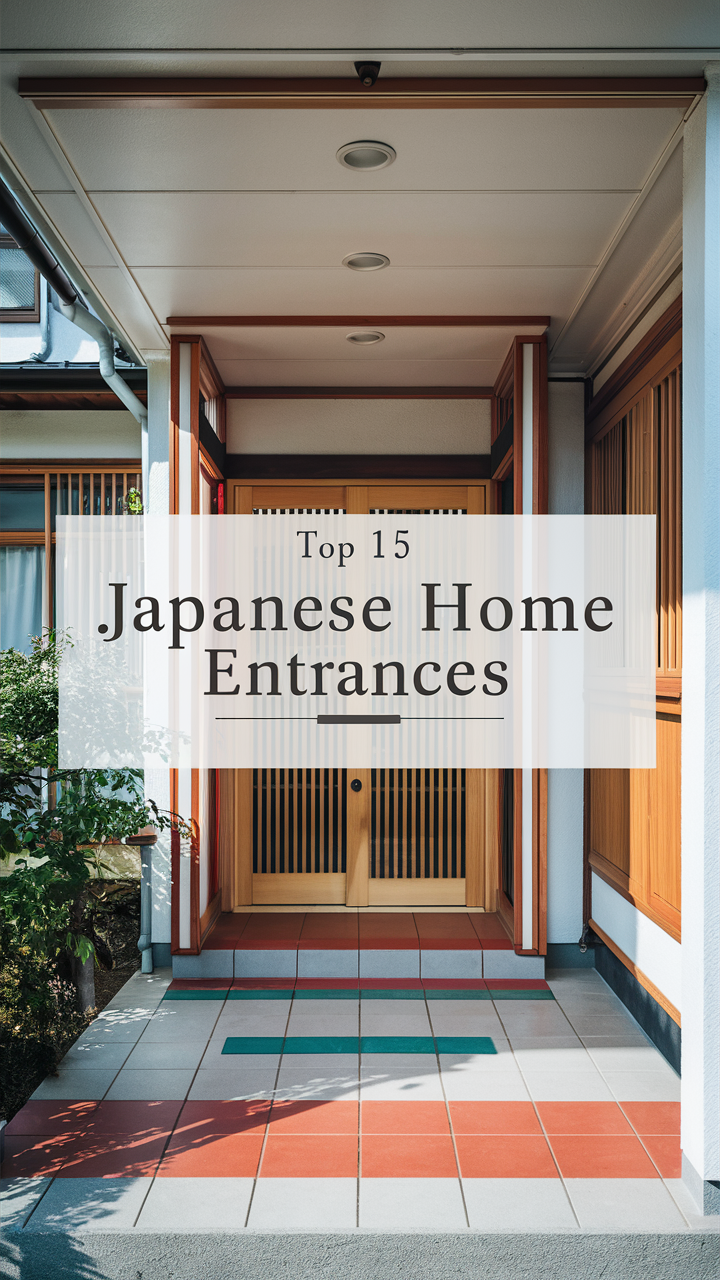
Japanese home entrances typically have genkan areas where shoes are removed before entering the house to keep the space clean. Additionally, sliding doors (fusuma) and miniature gardens (tsuboniwa) are common in Japanese home entrances, creating a tranquil and welcoming atmosphere. Incorporating these elements into your home can enhance its aesthetic appeal and promote a sense of relaxation. Remember to maintain these features regularly to ensure their longevity and visual appeal.
Unique Features of a Japanese Home Entrance
As a homeowner who has experienced the unique charm of a Japanese home entrance, I can attest to the fascinating elements that make it stand out. Let’s delve into the details of what makes a Japanese home entrance so special.
1. Architectural Elements
Japanese home entrances often feature a genkan, a sunken entryway where shoes are removed before stepping into the house. This practice of taking off shoes before entering the home is a sign of respect and cleanliness. The genkan is usually made of a durable material like wood or tile and may have built-in storage for shoes.
Additionally, sliding doors, known as fusuma, are commonly used in Japanese homes and can be found at the entrance. These doors not only save space but also add a touch of elegance to the entryway. The fusuma are often decorated with intricate designs or paintings, adding to the aesthetic appeal of the entrance.
2. Incorporation of Nature
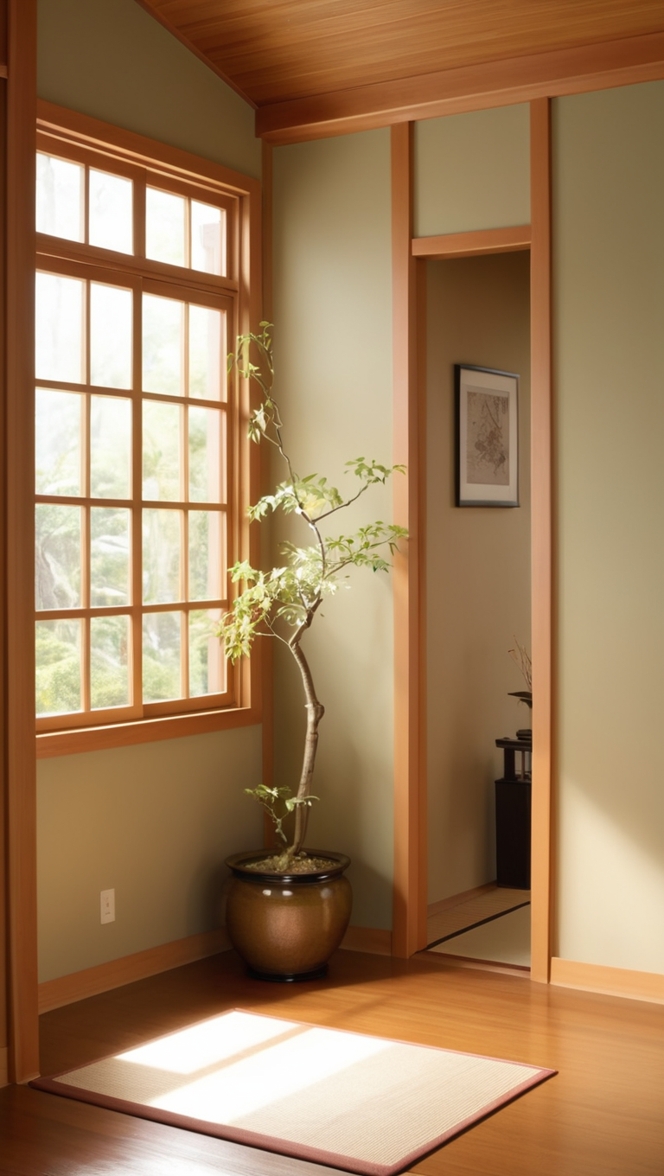
One of the most striking features of a Japanese home entrance is the seamless integration of nature. Many entrances have a small garden or bonsai tree near the genkan, creating a calming and welcoming atmosphere. The use of natural materials like wood and stone further enhances the connection to the outdoors.
I personally love the feeling of serenity that comes from being greeted by a touch of nature as soon as I enter my home. It’s a beautiful reminder of the importance of harmony with the environment.
3. Cultural Rituals and Customs
Entering a Japanese home is accompanied by certain customs and rituals that reflect the values of respect and politeness. Guests are expected to remove their shoes in the genkan and may be offered slippers to wear inside. Bowing as a sign of greeting is also a common practice in Japanese homes.
These customs may seem formal to some, but they are rooted in a deep sense of hospitality and consideration for others. As a homeowner, I appreciate the sense of tradition and etiquette that comes with welcoming guests into my home.
4. Symbolism in Design
Symbolism plays a significant role in the design of a Japanese home entrance. From the choice of materials to the placement of decorative elements, every aspect is carefully considered to convey meaning. For example, the use of bamboo or pine motifs symbolizes longevity and prosperity.
I find the symbolism in Japanese design to be both intriguing and meaningful. It adds layers of depth to the aesthetic appeal of the entrance and creates a sense of connection to cultural traditions.
5. Privacy and Openness
Japanese homes strike a delicate balance between privacy and openness at the entrance. While the genkan provides a private space for removing shoes and greeting guests, sliding doors can be opened to reveal a glimpse of the interior. This combination of privacy and openness creates a sense of intrigue and warmth.
As a homeowner, I appreciate the versatility of the entrance design, allowing me to control the flow of light and air while maintaining a sense of privacy in my home.
6. Commonly Used Materials
Traditional Japanese homes often feature natural materials such as wood, paper, and stone in their entrance design. These materials not only add a sense of warmth and authenticity but also age beautifully over time. The use of these materials reflects a deep appreciation for craftsmanship and natural beauty.
Personally, I love the tactile quality of the materials used in my home entrance. They create a sensory experience that is both calming and invigorating.
7. Rules and Etiquettes
When entering a Japanese home, it is important to observe certain rules and etiquettes to show respect for the space and its occupants. Removing shoes, bowing when greeting, and avoiding stepping on thresholds are common practices that demonstrate consideration for others.
As a homeowner, I value the sense of order and respect that comes with following these rules. They help create a harmonious environment where everyone feels welcomed and valued.
Conclusion
The unique features of a Japanese home entrance reflect a deep respect for tradition, nature, and hospitality. From the architectural elements to the cultural customs, every aspect is carefully designed to create a harmonious and welcoming space. As a homeowner who cherishes the beauty and serenity of a Japanese home entrance, I find joy in the thoughtful details that make it truly special.
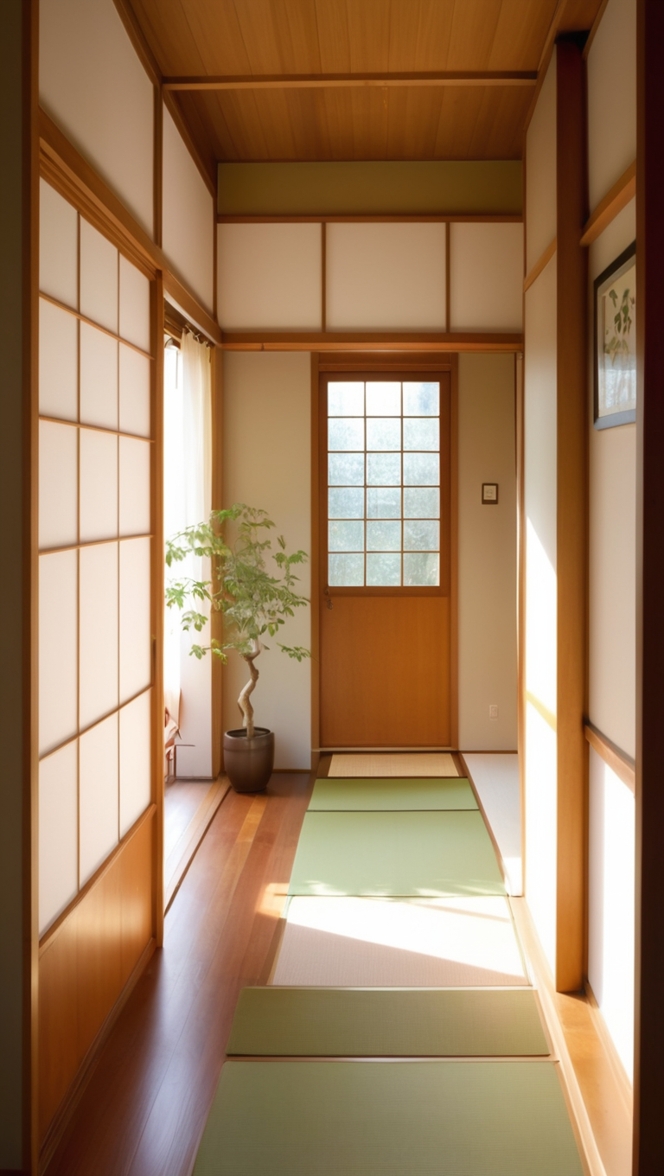
12 Unique Ideas for Japanese Home Entrance Design
1. **Zen Garden Entrance**: Create a serene atmosphere with a small Zen garden at the entrance, featuring gravel, rocks, and minimalist greenery.
2. **Shoji Screen Door**: Install a traditional Shoji screen door made of paper and wood to add an authentic Japanese touch to your entrance.
3. **Earthy Tones**: Choose paint colors like “Soybean” or “Matcha Green” to evoke a sense of nature and peace in your entrance.
4. **Bamboo Accents**: Incorporate bamboo elements such as a bamboo shoe rack or bamboo blinds to enhance the Japanese aesthetic.
5. **Tokonoma Display**: Showcase a beautifully arranged Tokonoma alcove with seasonal decorations and artwork to greet guests in style.
6. **Ikebana Flower Arrangement**: Add a touch of elegance with a simple yet striking Ikebana flower arrangement in the entrance.
7. **Fusuma Artwork**: Commission a local artist to create custom Fusuma sliding door artwork depicting nature scenes or traditional motifs.
8. **Tatami Mat Flooring**: Replace conventional flooring with Tatami mats for an authentic Japanese feel that is comfortable and stylish.
9. **Noren Curtains**: Hang Noren curtains featuring intricate designs or Japanese characters to divide spaces and add visual interest.
10. **Karesansui Landscape**: Create a miniature Karesansui dry landscape garden at the entrance for a meditative and aesthetically pleasing focal point.
11. **Paper Lantern Lighting**: Install paper lanterns or pendant lights with Japanese-inspired designs to illuminate the entrance with a soft, warm glow.
12. **Sakura Blossom Wallpaper**: Choose wallpaper with Sakura blossom patterns to bring a touch of springtime beauty to your Japanese home entrance.
By incorporating these unique ideas into your Japanese home entrance design, you can create a welcoming and visually appealing space that reflects the beauty and tranquility of Japanese culture. Embrace the simplicity and elegance of Japanese design to make a lasting impression on your guests and elevate your living experience.