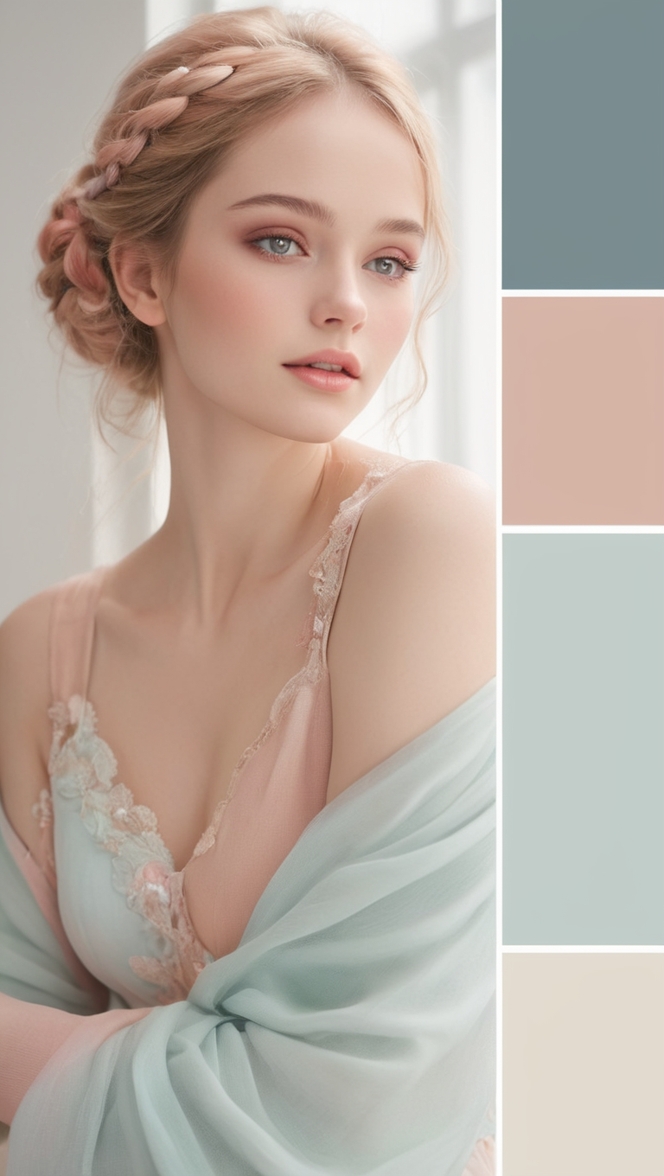
Want to elevate your films with striking color grading? Dive into cinematic color schemes and cutting-edge software.

Disclosure: This post contains affiliate links. We may earn a commission at no extra cost to you.
How can I create a stunning cinematic color palette?
“`html
Cinematic Color Palette
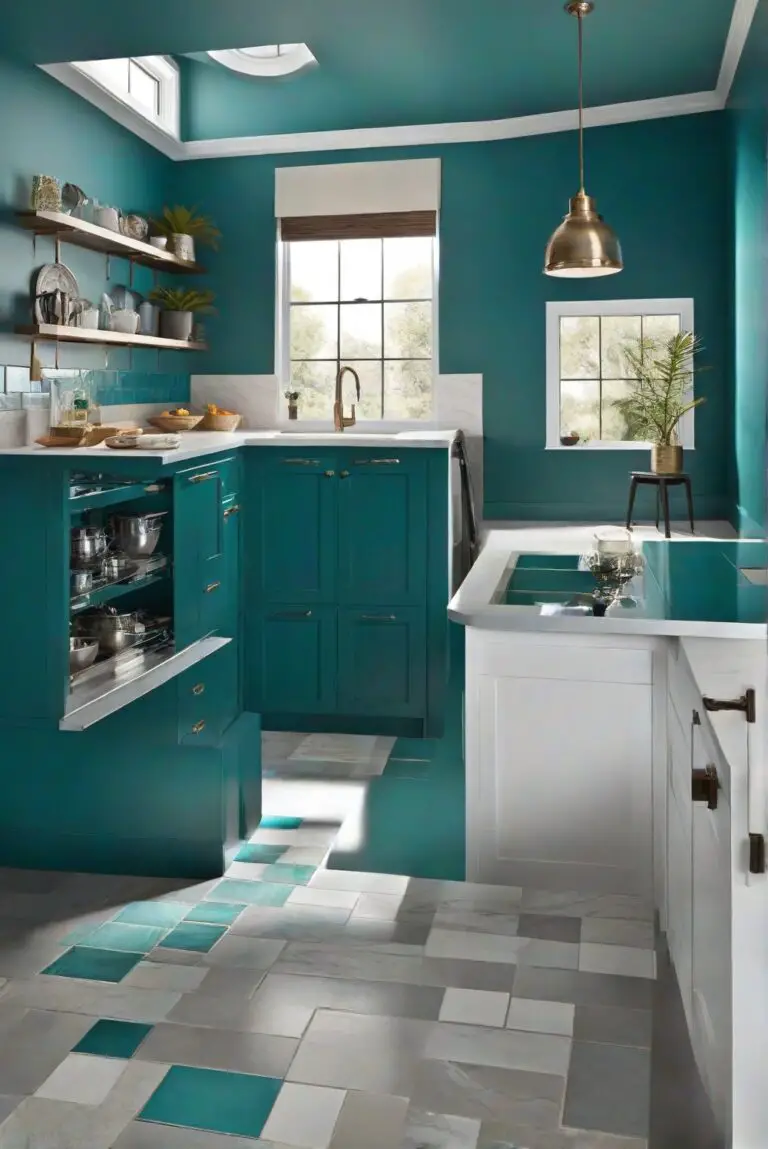
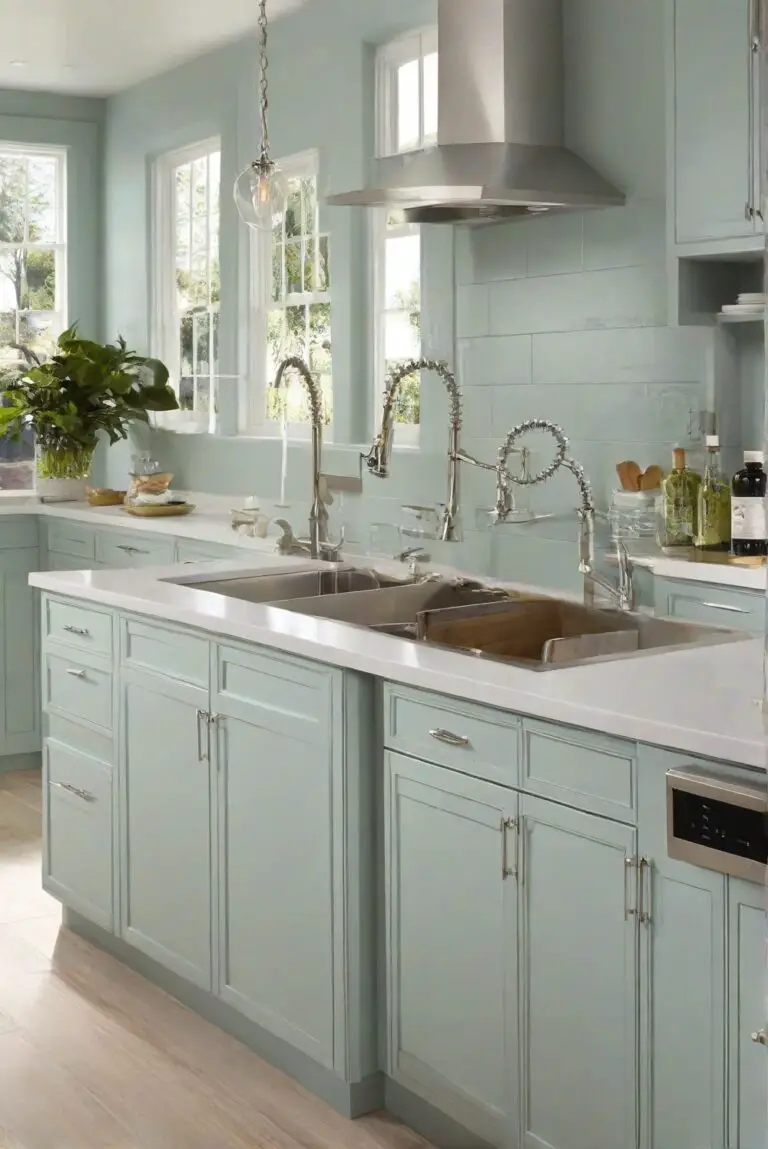
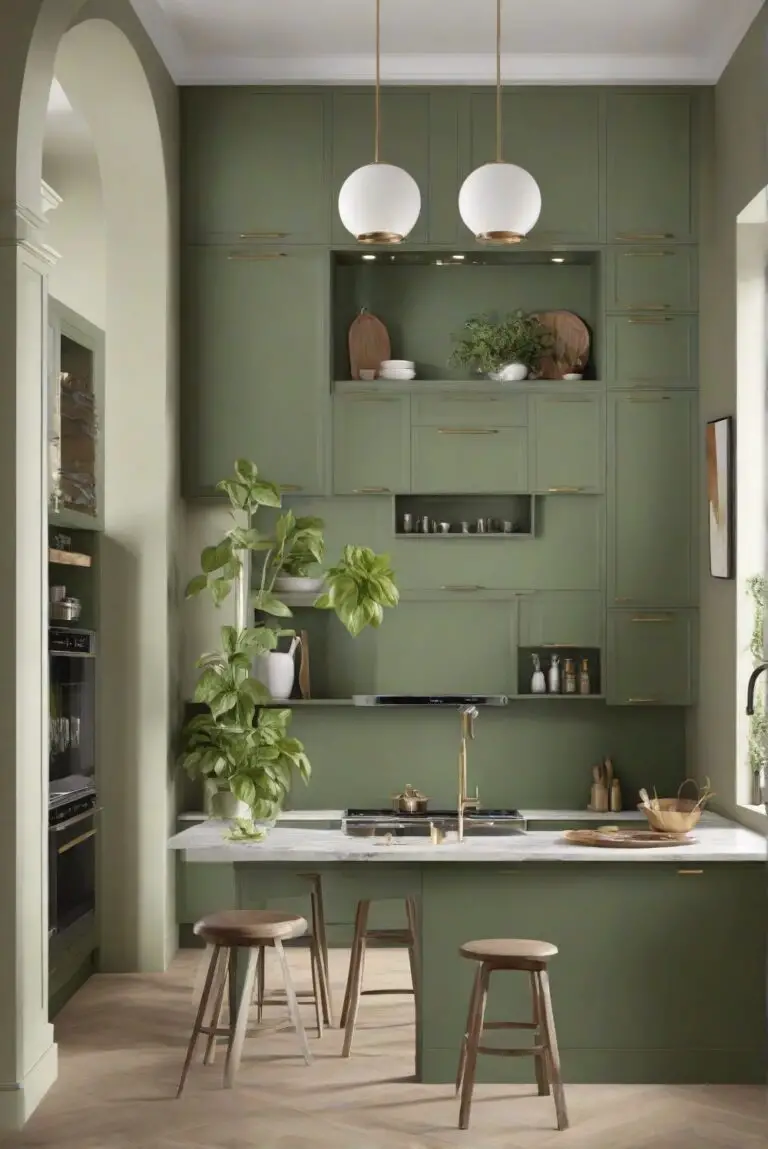
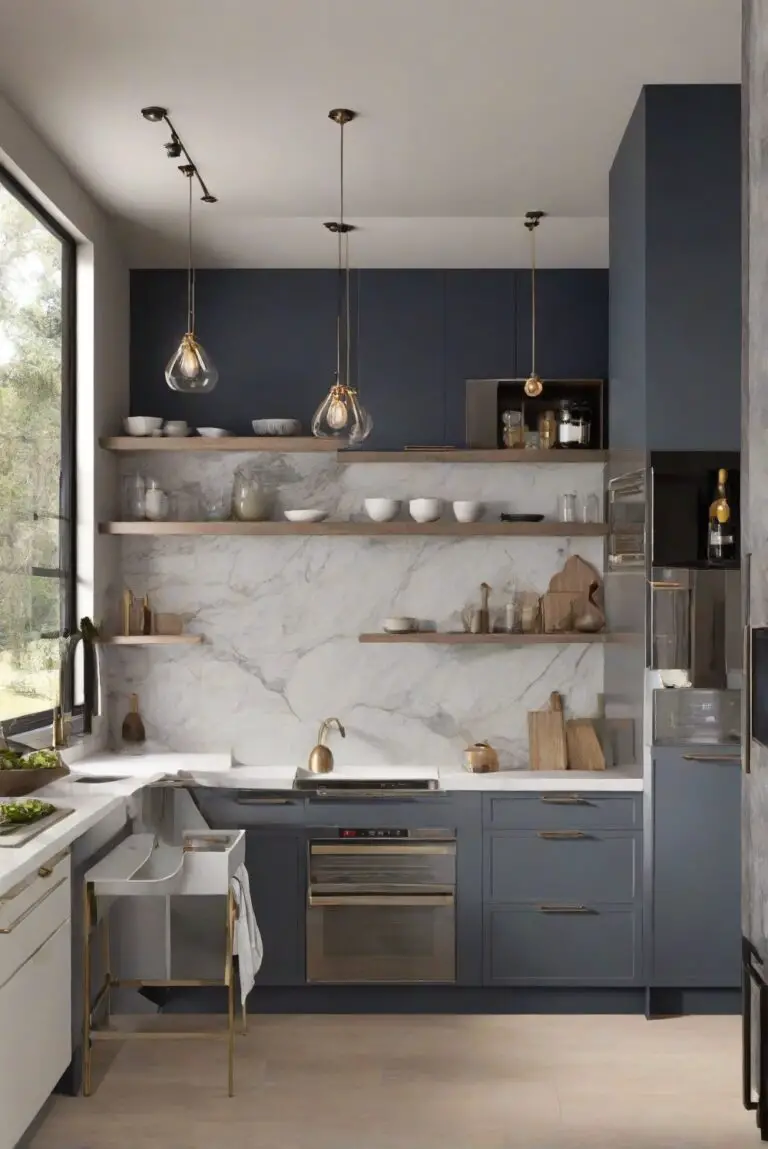
As a homeowner, creating a stunning cinematic color palette for your home decor can elevate the ambiance of your living space. To achieve this, start by researching color schemes used in movies for inspiration. Incorporate deep, rich tones like navy, burgundy, and forest green paired with metallic accents for a dramatic effect. Consider the lighting in your rooms and how the colors will interact with it. Ensure balance by mixing darker shades with lighter hues. Experiment with different combinations and test them in natural and artificial light to see how they work. Finally, bring in textures like velvet or faux fur to add depth to your color palette.
“`
How can I create a stunning cinematic color palette?
1. What are the key elements of a cinematic color palette?
Creating a cinematic color palette involves selecting colors that evoke mood and emotion, enhance storytelling, and create a visually cohesive look. Key elements include choosing a dominant color that sets the tone for the scene, using complementary colors to add depth and contrast, and incorporating accent colors to highlight focal points.
2. How can I choose the right colors for a cinematic look?
When choosing colors for a cinematic look, consider the mood and atmosphere you want to convey. Warm colors like reds and oranges can create a sense of intensity and passion, while cool colors like blues and greens can evoke calmness and serenity. Experiment with different color combinations to find the perfect balance for your scene.
3. What role does color theory play in creating a cinematic color palette?
Color theory is essential in creating a cinematic color palette as it helps you understand how colors interact with each other and how they can influence emotions and perceptions. By applying color theory principles such as complementary colors, analogous colors, and color temperature, you can create a harmonious and visually appealing color palette.
4. Are there specific color combinations that work best for cinematic visuals?
While there are no strict rules for color combinations in cinematic visuals, certain combinations are commonly used to achieve specific effects. For example, contrasting colors like blue and orange can create a dynamic and visually striking look, while monochromatic color schemes can convey a sense of unity and focus.
5. How can lighting affect the way colors appear in a cinematic setting?
Lighting plays a crucial role in how colors appear in a cinematic setting. Different types of lighting, such as natural light, artificial light, and colored light, can impact the way colors are perceived. By manipulating light sources and adjusting lighting intensity, you can enhance the colors in your scene and create a more immersive cinematic experience.
6. What post-processing techniques can enhance the cinematic feel of a color palette?
Post-processing techniques such as color grading and color correction can enhance the cinematic feel of a color palette by adjusting color tones, contrast, and saturation. By fine-tuning the colors in your footage during post-production, you can achieve a more polished and professional look that aligns with your cinematic vision.
7. How do different genres influence the choice of colors in a cinematic color palette?
Different genres, such as horror, drama, sci-fi, and romance, can influence the choice of colors in a cinematic color palette. For example, horror films often use dark and desaturated colors to create a sense of fear and suspense, while romance films may feature soft and pastel hues to evoke a feeling of love and romance. Consider the genre of your project when selecting colors for your cinematic color palette to ensure they align with the overall theme and mood.

Creating a Unique Cinematic Color Palette for Your Home
When it comes to designing your home, a cinematic color palette can bring a touch of drama and sophistication to your space. To achieve this, consider the following 12 long-tail keyword ideas with real paint color names:
- 1. Midnight Blue Magic – SW Naval
- 2. Crimson Charm – BM Caliente
- 3. Enchanted Forest – SW Evergreen Fog
- 4. Silver Screen Glamour – BM Silver Satin
- 5. Golden Hour Glow – SW Marigold
- 6. Velvet Dreams – BM Gentleman’s Gray
- 7. Twilight Serenity – SW Dusk
- 8. Orchid Obsession – BM Shadow Gray
- 9. Rustic Romance – SW Rustic Red
- 10. Oceanic Elegance – BM Hale Navy
- 11. Lavender Luxe – SW Lavish Lavender
- 12. Desert Oasis – BM Adobe Beige
Each of these color combinations can help you create a stunning cinematic color palette for your home. Experiment with different shades and textures to find the perfect mix for your space. Don’t be afraid to mix dark and light colors to achieve a balanced look. Consider how natural and artificial light will interact with your chosen colors to create the desired ambiance.
By incorporating deep, rich tones, metallic accents, and luxurious textures like velvet or faux fur, you can transform your home into a cinematic masterpiece. Let your creativity flow and unleash the magic of these unique color combinations to elevate your home decor to new heights.